

Today we are about 8 weeks from the end of the course, … George has dared to write his name only on his mother’s day card. 2 weeks ago I wrote to Henry’s mother to tell her that Henry had said the first complete sentence of him while I was reading “Officer Buckle and Gloria” and he was asking me something about the book: “Teacher why he fell down?”
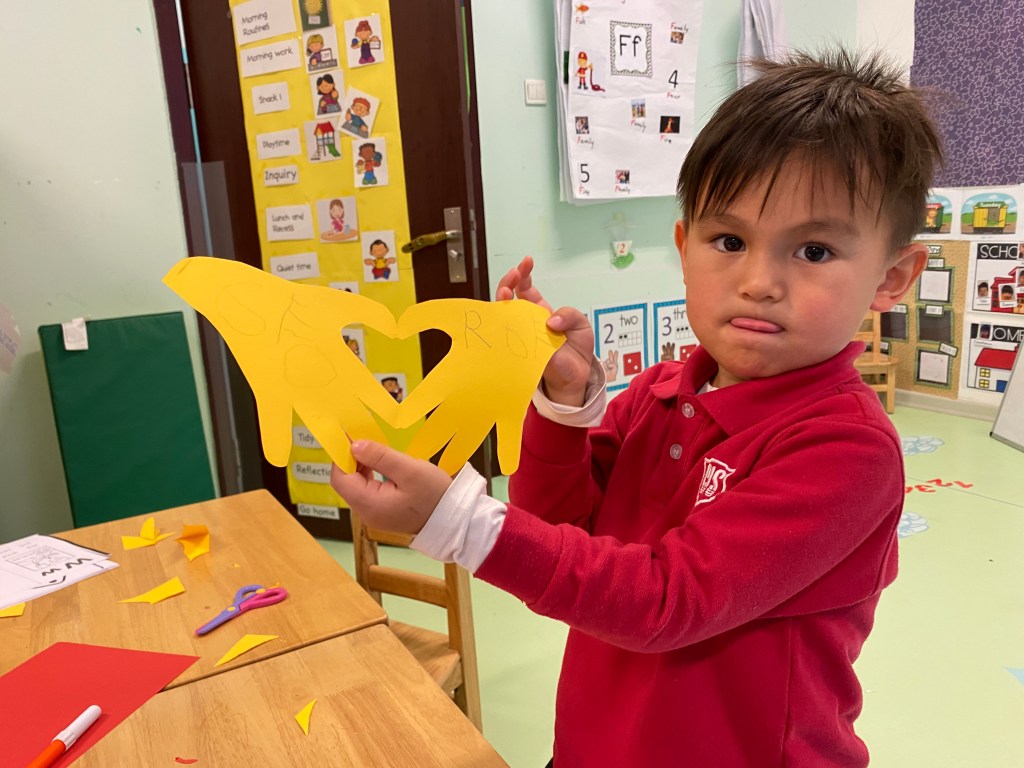
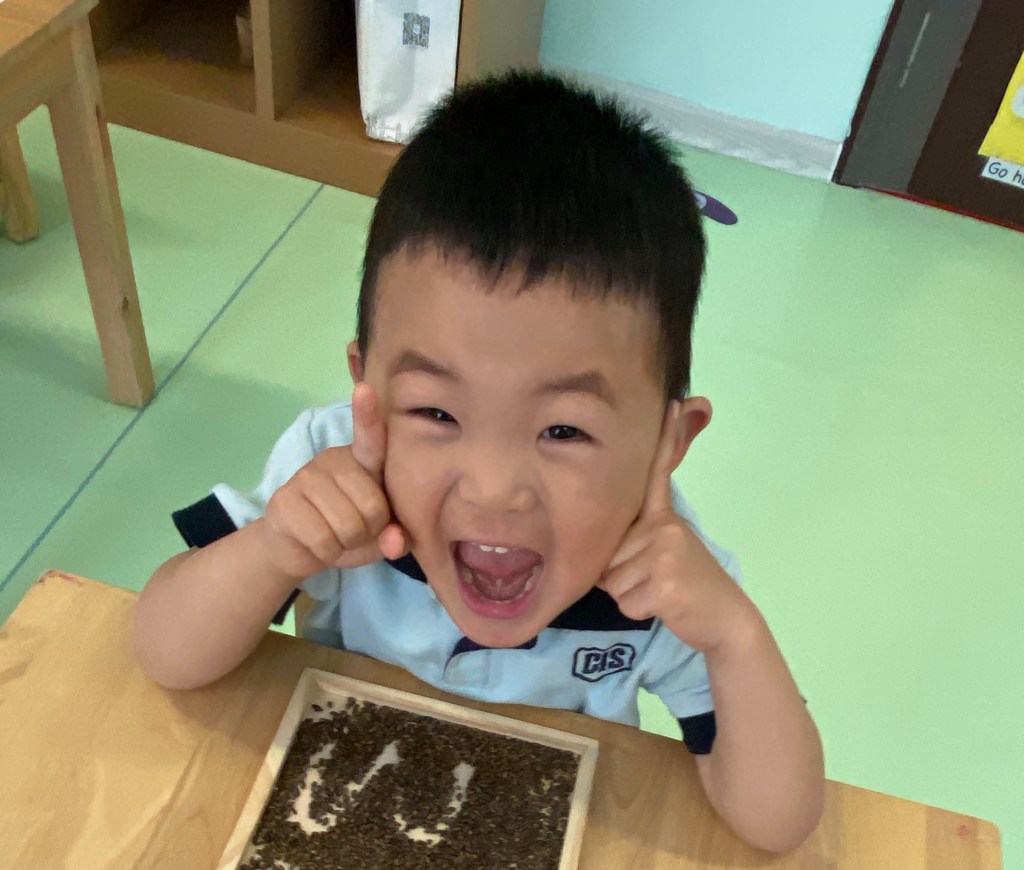
I would like to talk about one of the biggest concerns of families when they enroll in an international school: the acquisition of a second language, in this case, English.
The first thing I would like to emphasize is that all children are different. Even when there are several children raised in the same family and the same environment, they are different. There is a wonderful thing about genetics.
We also have to take into account the age of the children and their maturity. Children have different speeds of development and we cannot compare them with each other, even if they are siblings.
The literature that we can consult about the development and acquisition of a second language shows us different stages:
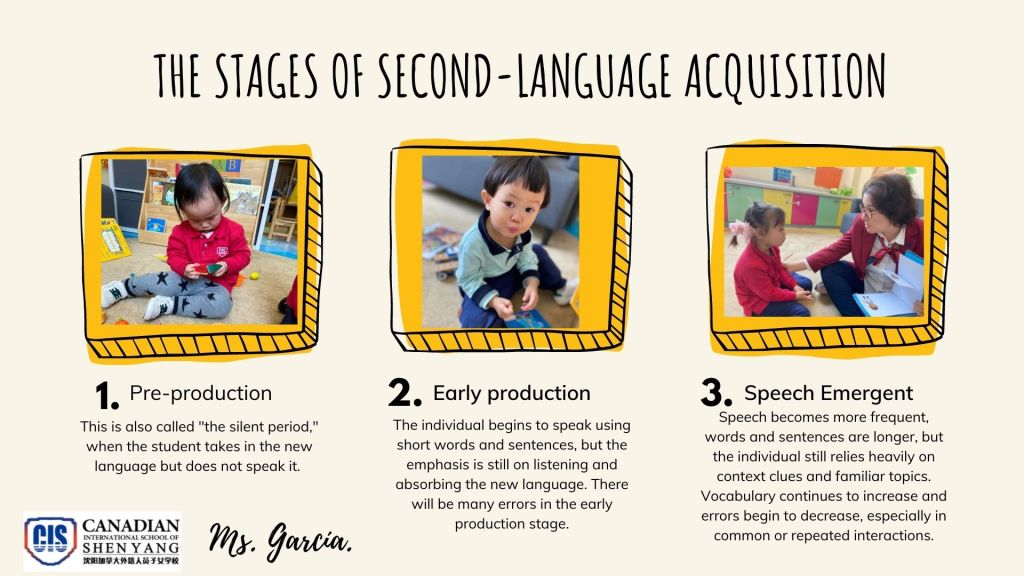
After these stages, the students will develop their language skills and they will be in other stages that experts call: Beginning Fluency, Intermediate Fluency and Advanced Fluency.
Another important factor in the development of the second language in school is when the child starts school. It is not the same to join at the beginning of the year as at the end. As we can see in stage 3, routines, common or repeated interactions, are very important for young children to become familiar with vocabulary.
I really like to use Seesaw to show you our work every day and comment individually, on the students’ achievements to their parents. Sometimes children are completely different at home and in the school. That is why good communication between the school and families is essential to understand and evidence the student’s development. Though pictures and videos, you can see how children interact with their pairs and the teachers. You also can see the ways they communicate and use their language skills. Sometimes I will also share songs with you in Seesaw. Families can listen to them with their children at home. You will be able to evidence how they sing and say some words in English. What can you do at home to support your child’s second language acquisition? You can watch cartoons in English; have some simple but fun app in your devices to practice vocabulary; show the songs that sometimes I share with you; go to Seesaw with your child and ask questions about what they do at school; and so on…
In my classroom I follow a simple rule that I want to share with you. Don’t push the student, let them interact and express themselves in a way they feel comfortable. Providing a safe environment makes the children feel good to be themselves and explore new ways of communication and expression.
 CISS Kindergarten