
At school we have been working the circle. When I have to plan a lesson I need to take into account many factors: the ages of the students, the curriculum (in our case matching New Brunswick curriculum and the IB Scope and Sequence), the timing, the activities,… Although it’s a “simple” content, it’s also a long journey.
How can you teach what is a circle to pre-k kids in a different language? I like to share my trick with my students’ parents: working on the same thing, the circle, in different ways… Here are some of our activities. In each activity we are working on the circle but we are also connecting it with another important contents or skills. Let me show you:
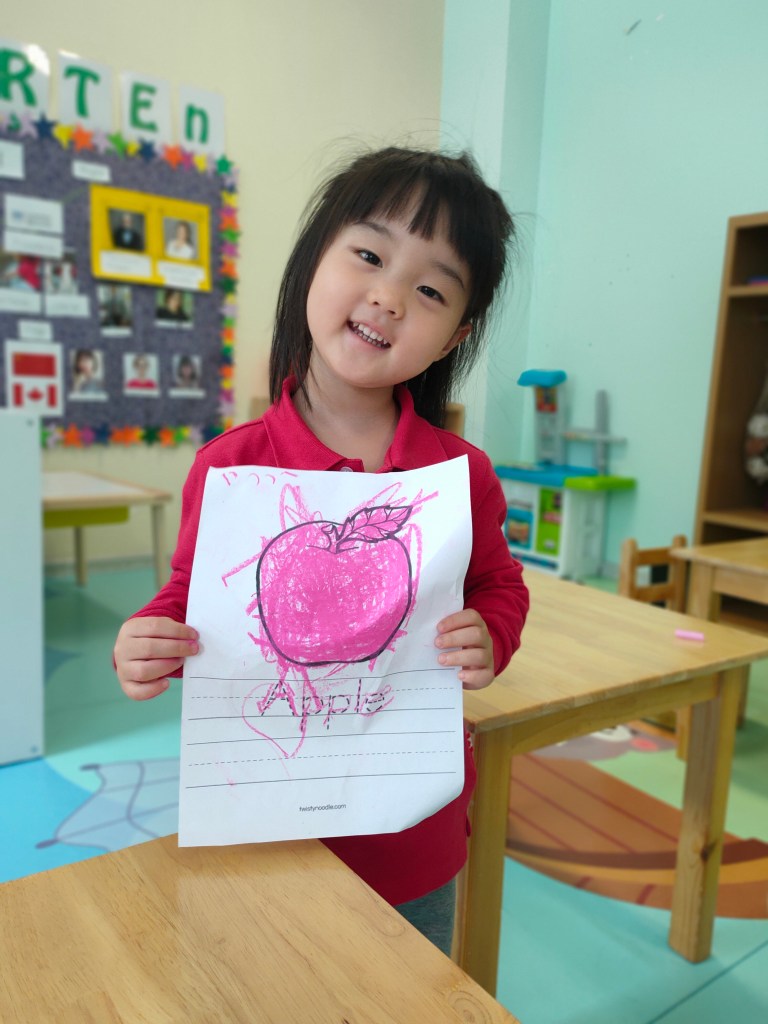
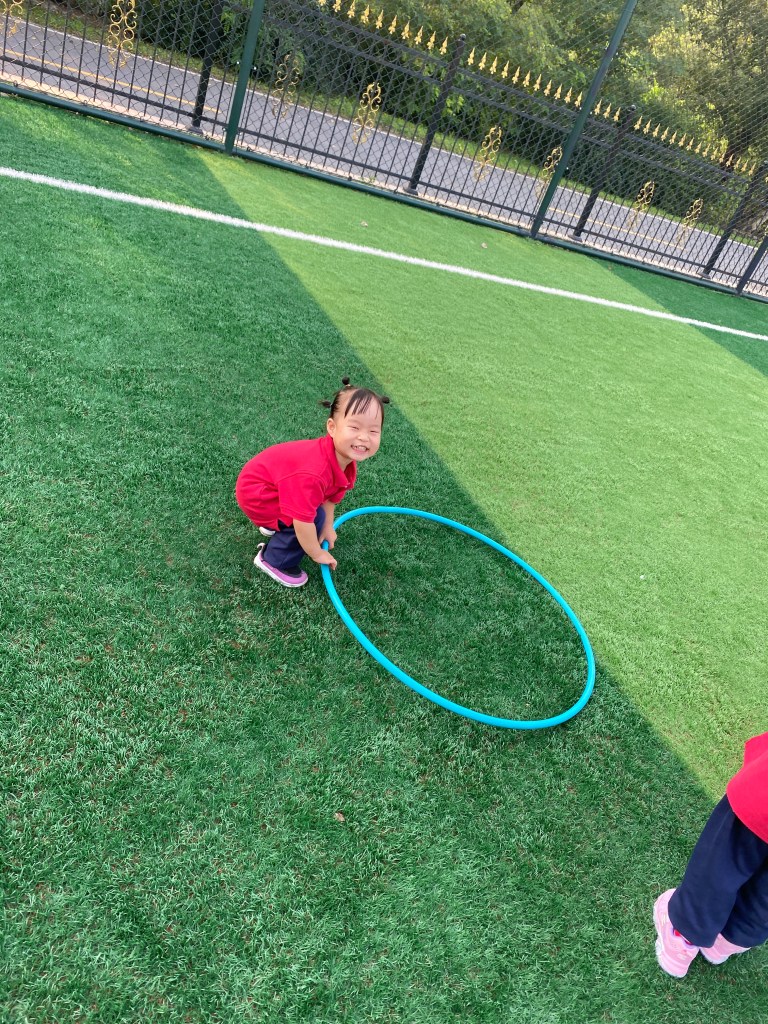
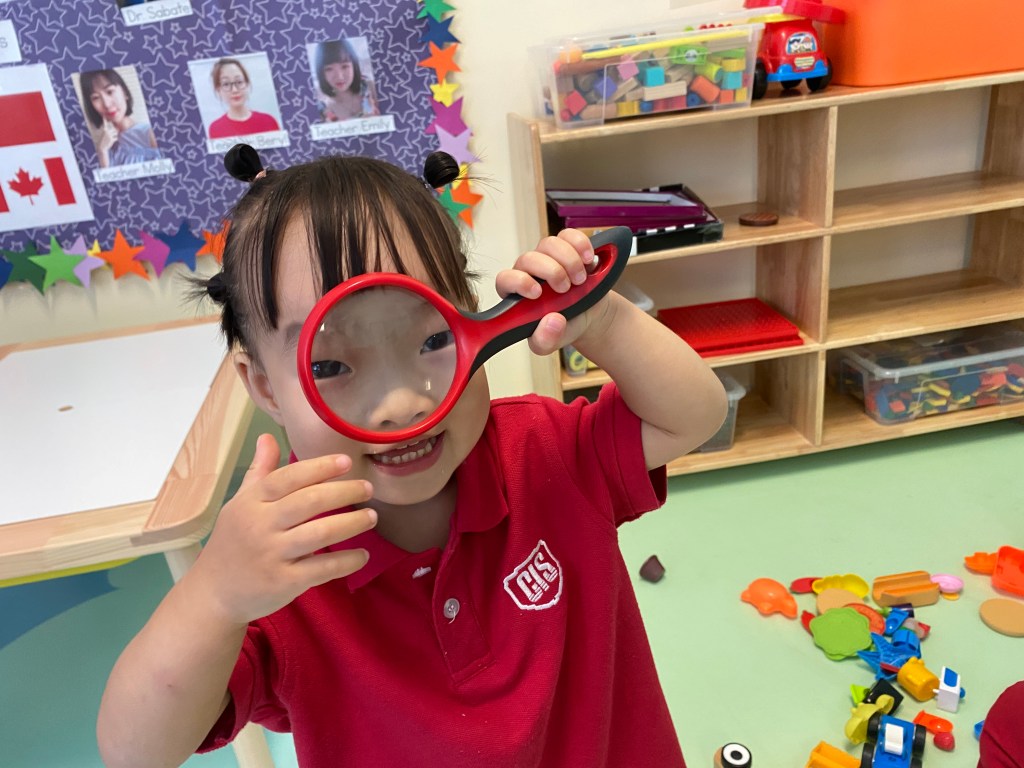
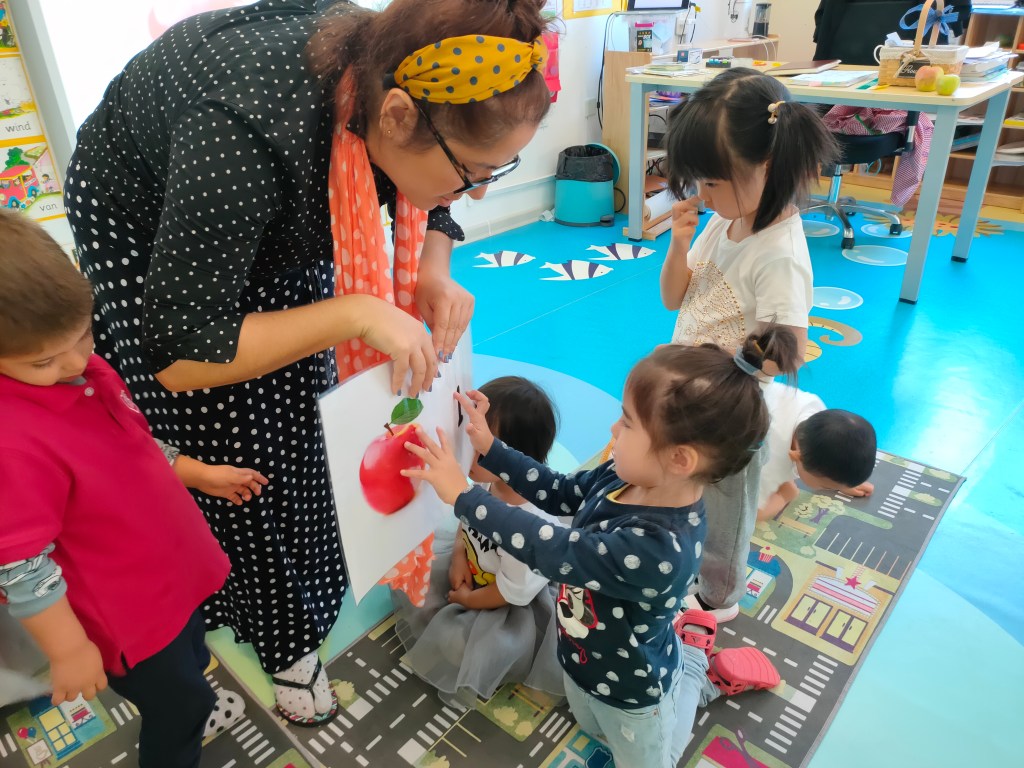
- The circles can be things that we use to see around us every day! An apple can be a circle. And we are also working colours and vocabulary. In ECA, we worked on balance and strength using hula hops. A magnifier glass can also be a circle!
2. In this stage, spheres are also circles for kids. This is called “generalization”, and it is a normal process when kids are learning how to talk. So, here you can see some play dough balls and bubbles.
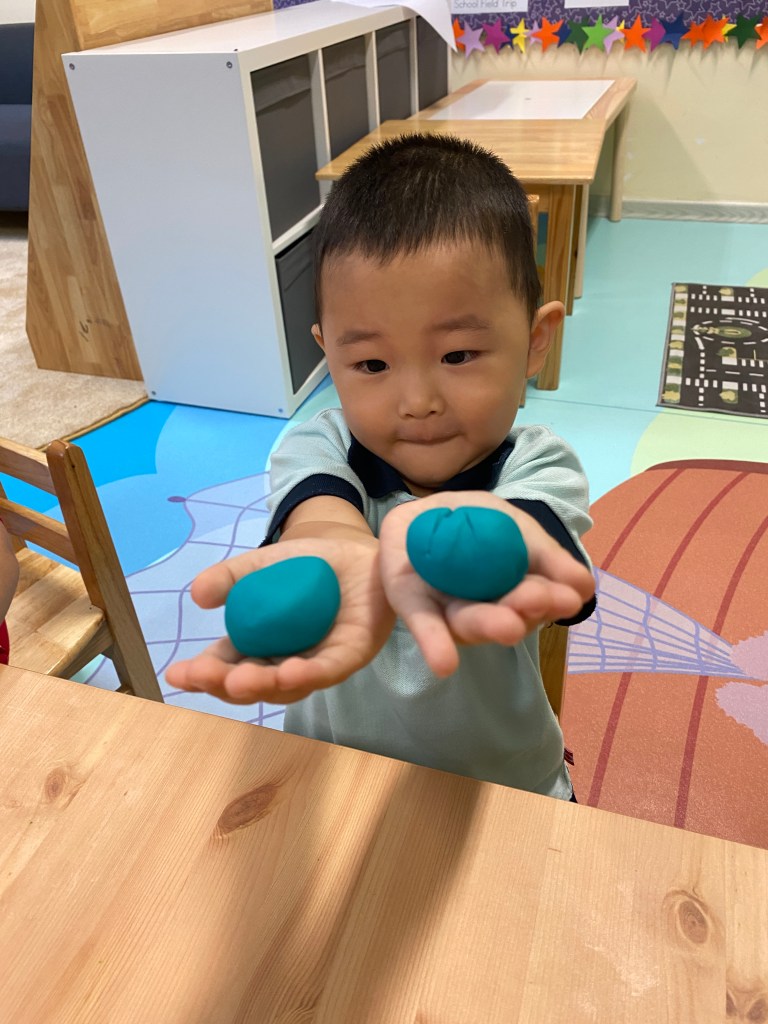
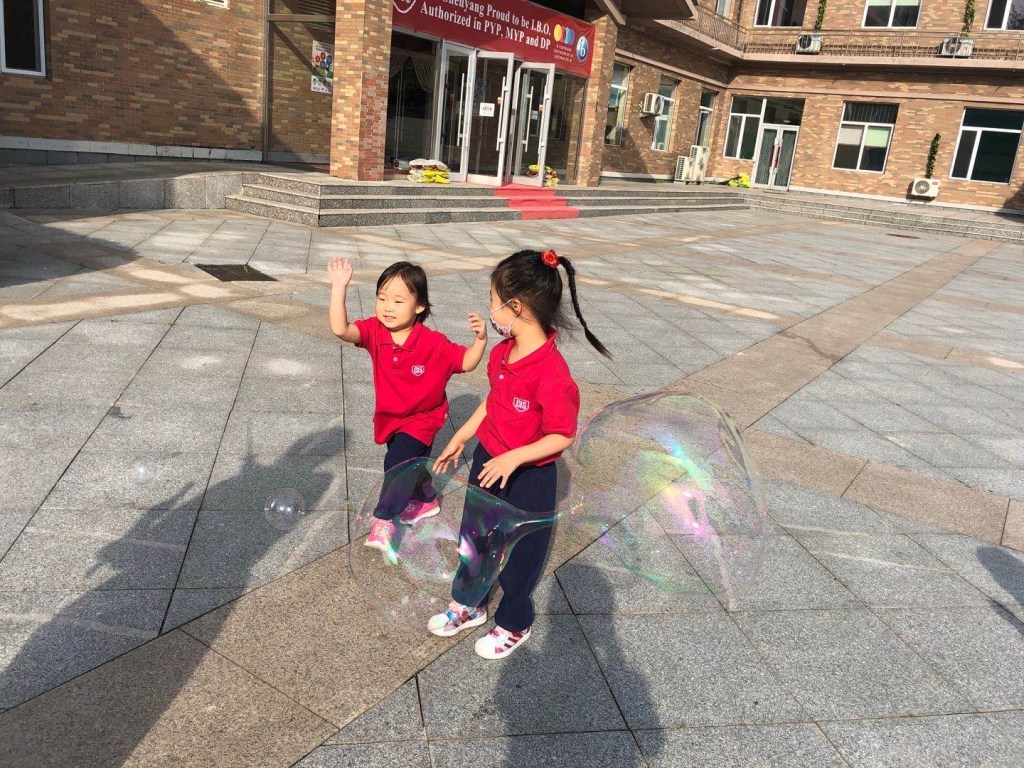
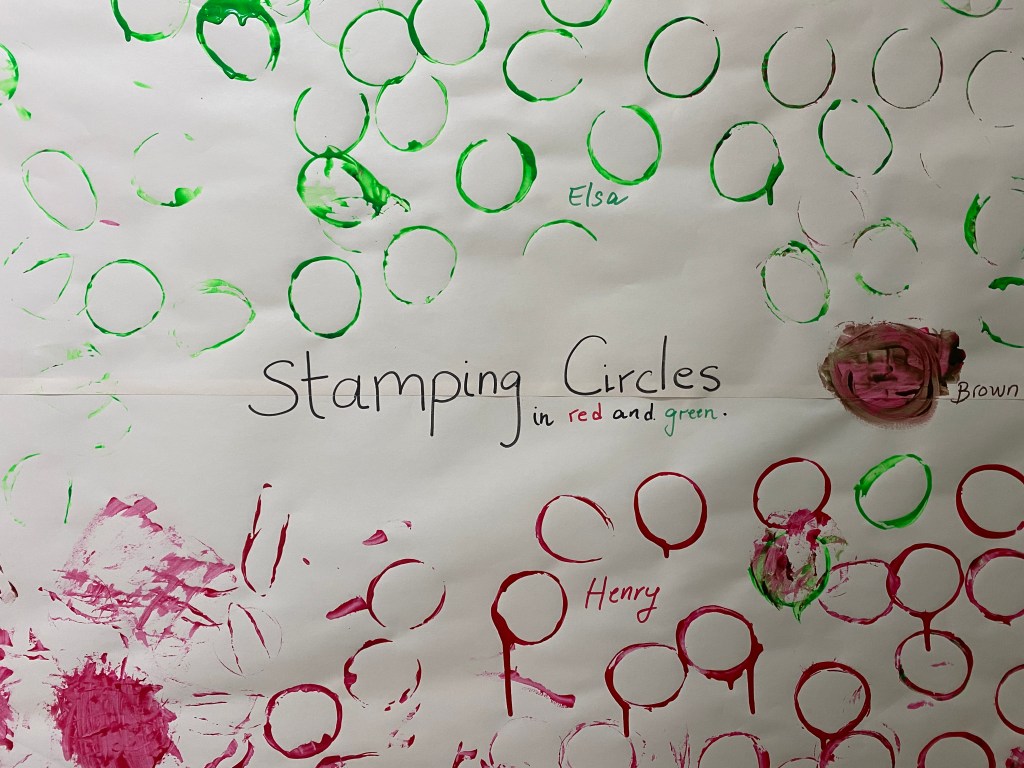
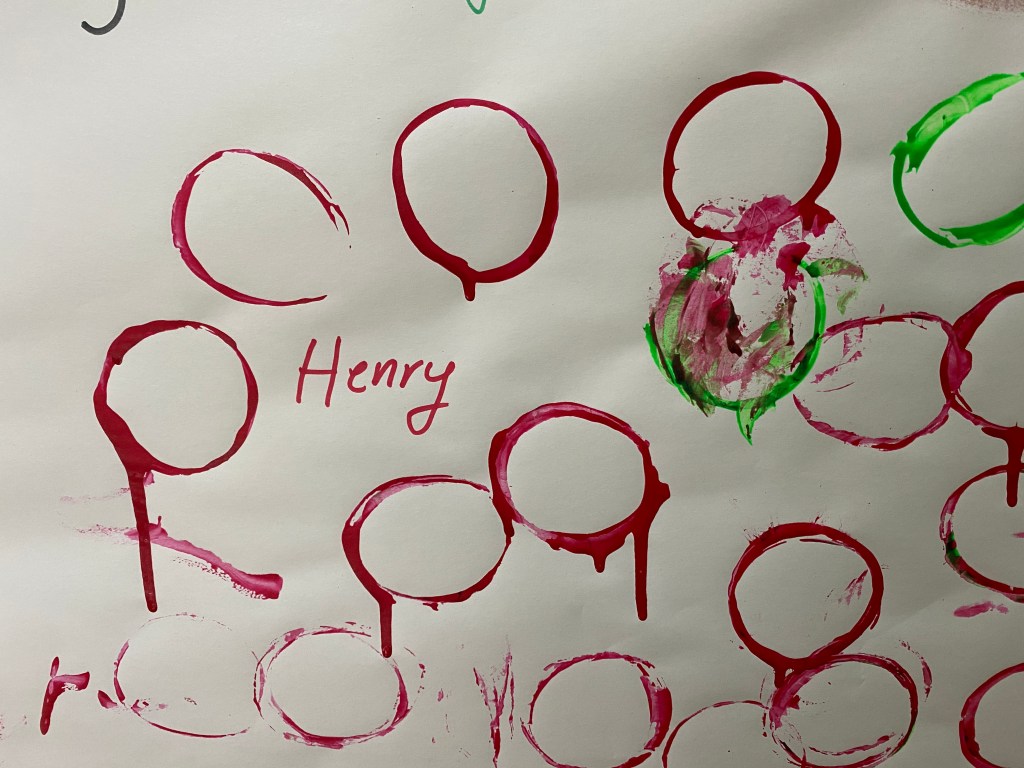
3. Stamping. When we stamp with a paper glass we are training on their fine motor skills. This is a group work where we can learn about respecting turns and the space of the others.
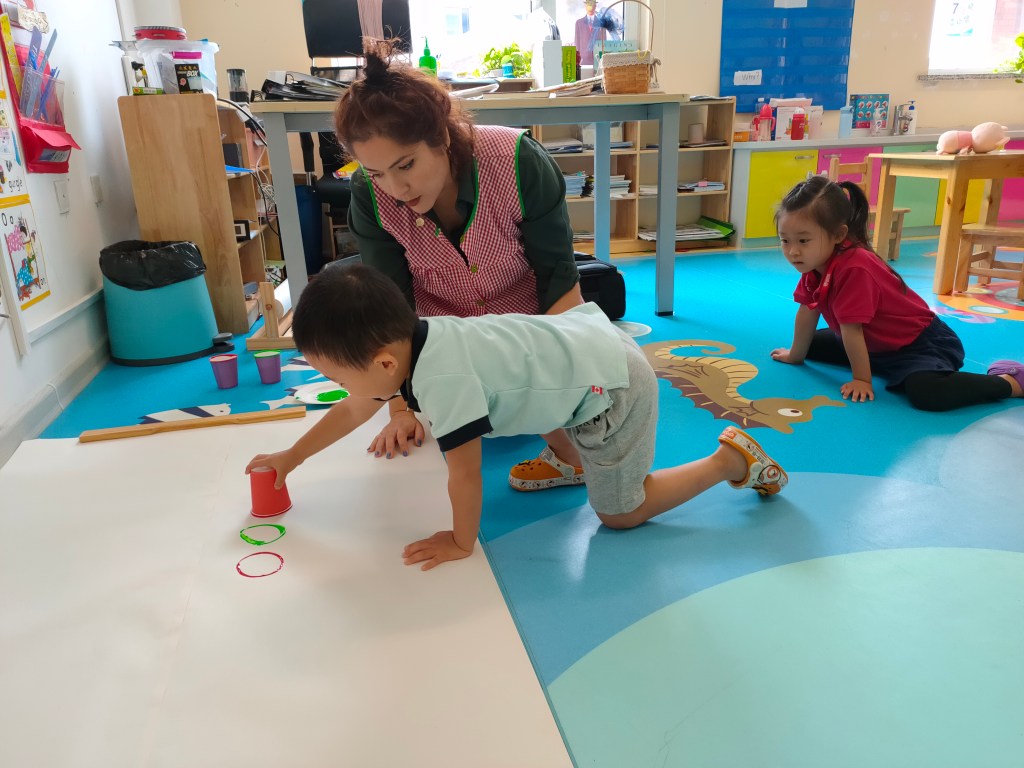
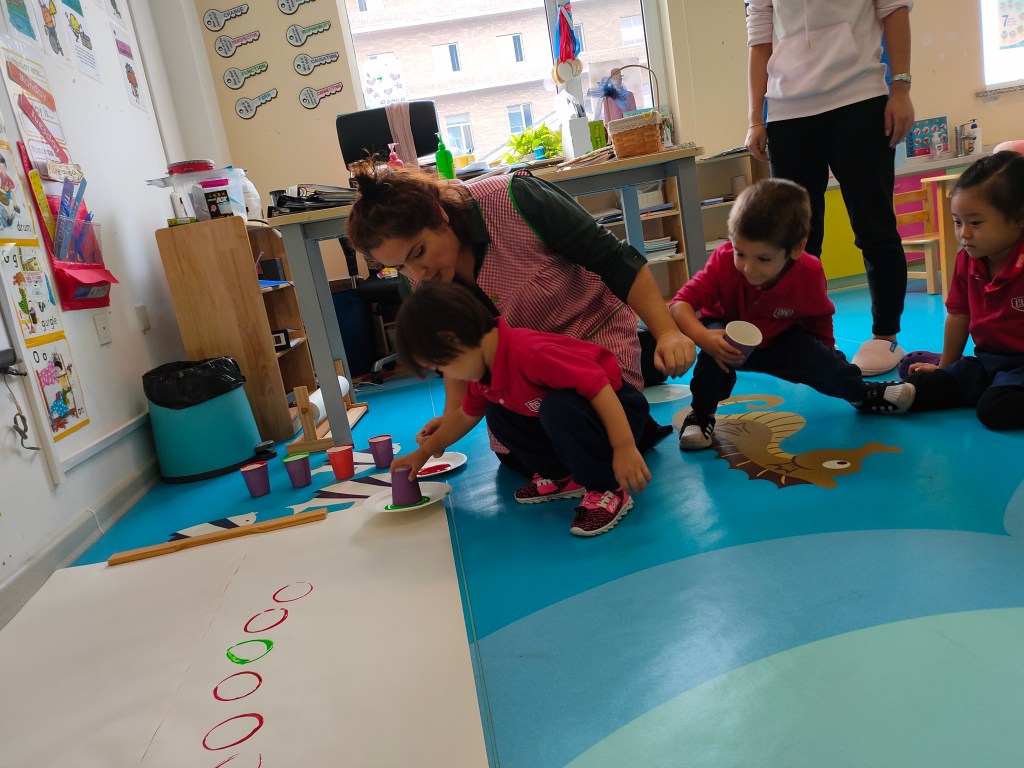
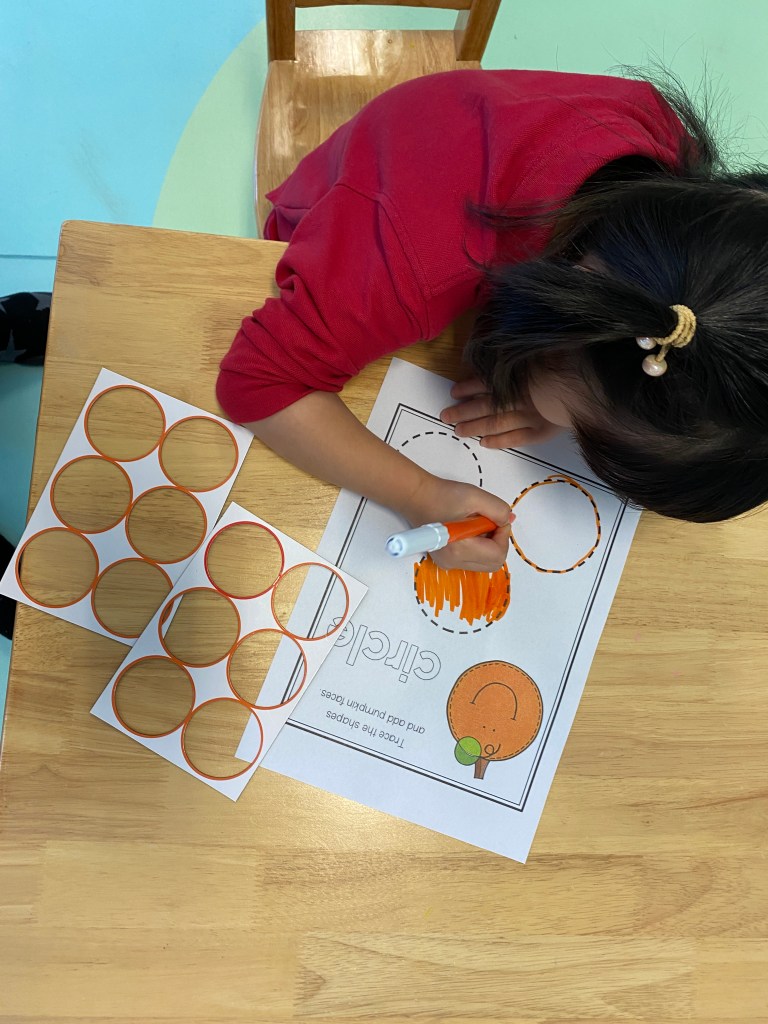
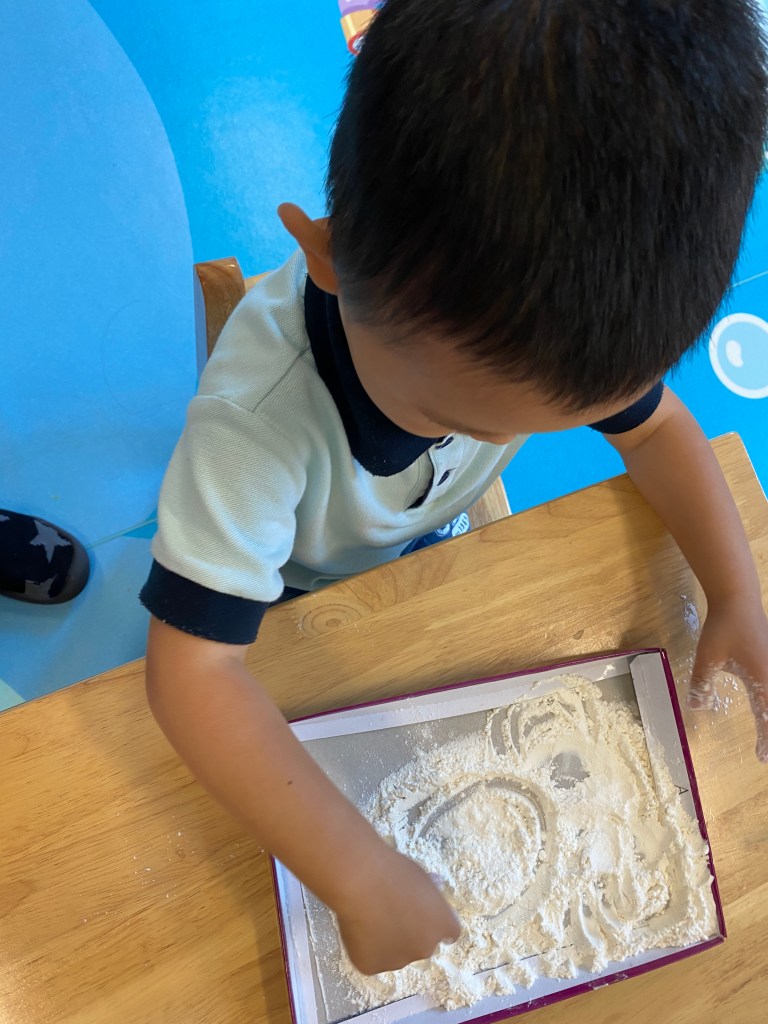
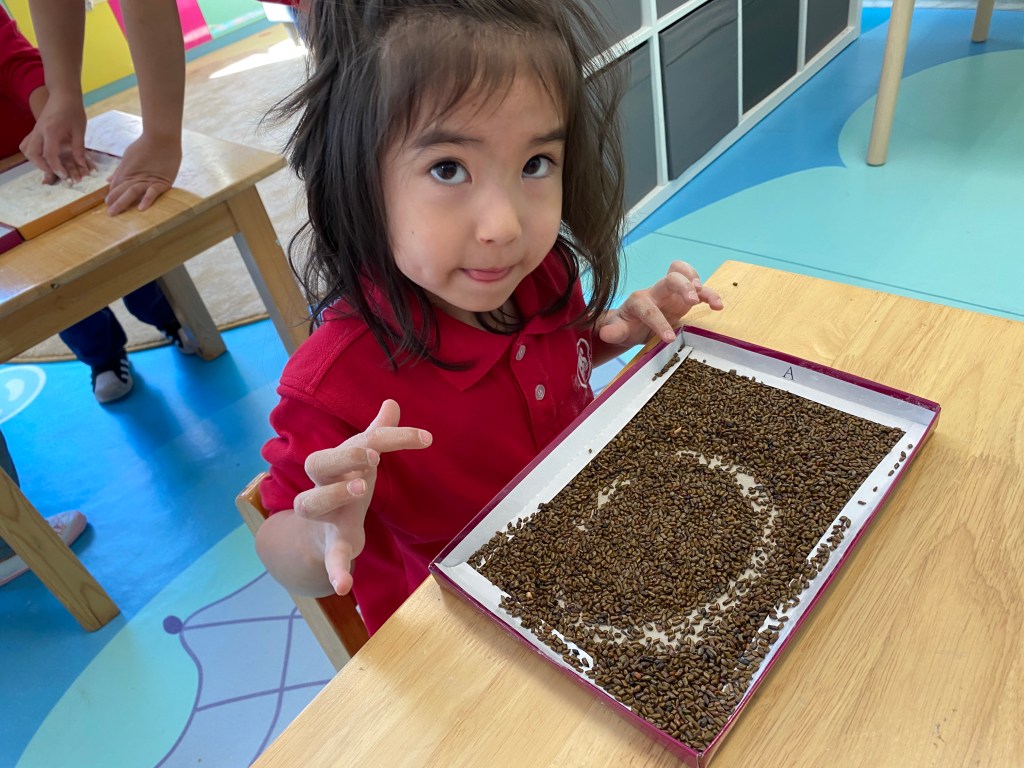
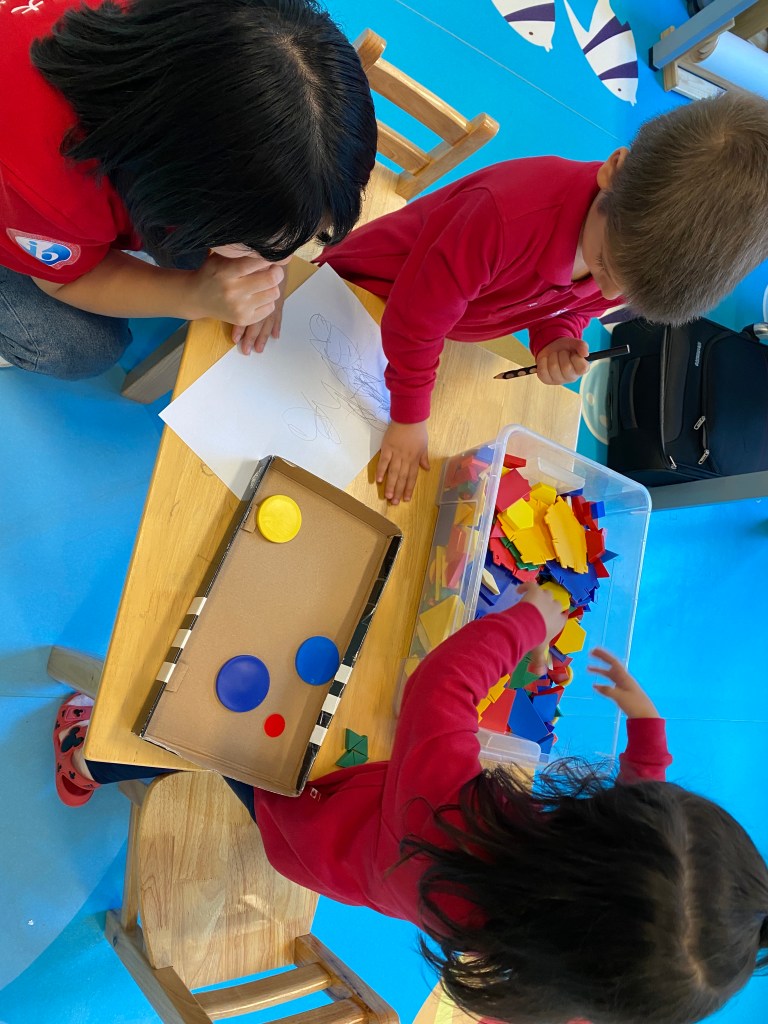
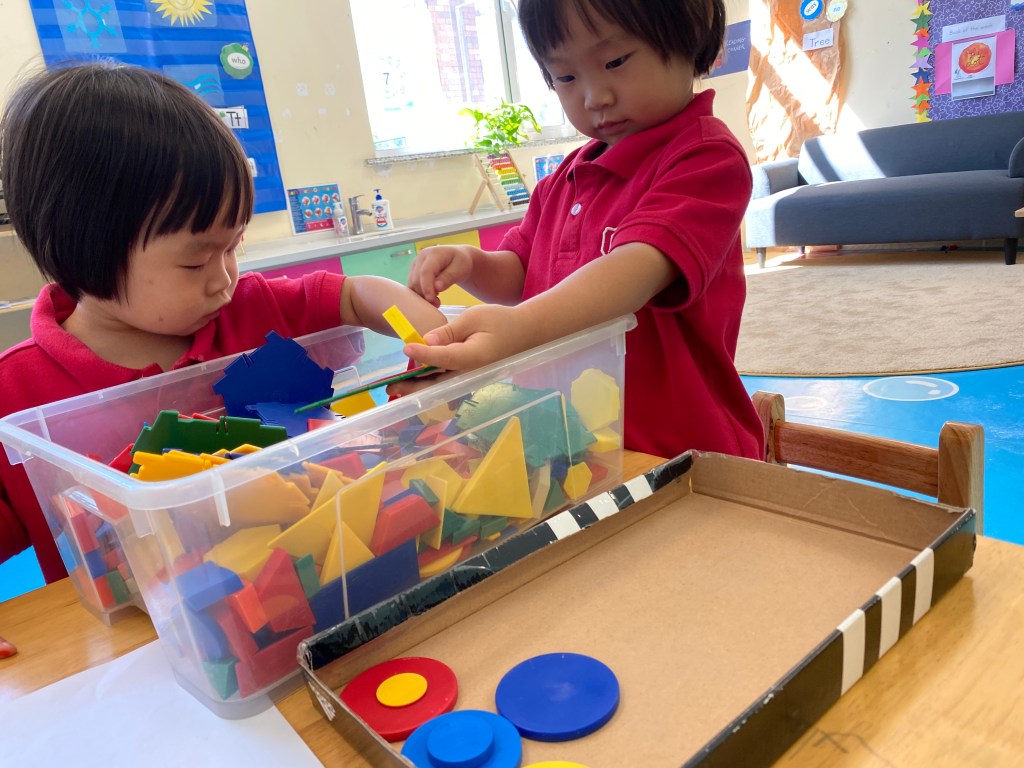
4. 4×4 activity. I love this activity. It’s like a race but not really. We have 4 tables and one activity in each table. The students need to work 1 minute in each table. And then, when we already worked in all the tables I usually asked them which one they preferred and I let them play a little bit more. Its a very engaging activity. I like to use different materials: here you can see seeds and flour. I also use to include a worksheet and, as you can see, math blocks.
5. We have been also understanding who we are, face parts, and you know that a face can be a circle. Our eyes as well!
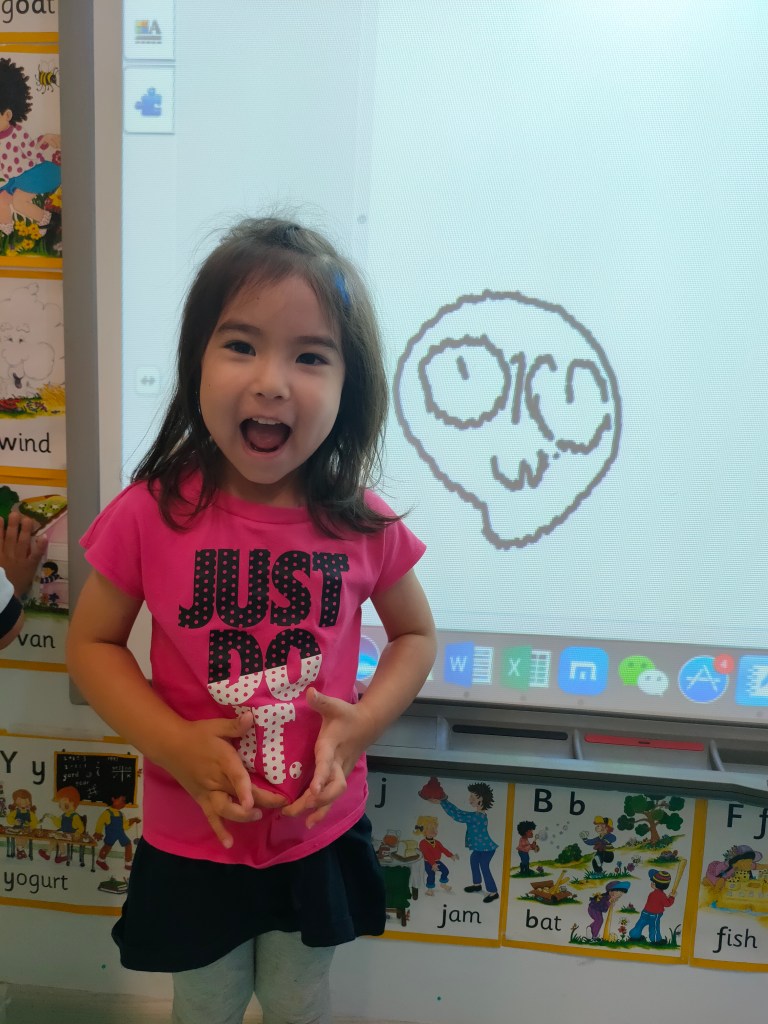
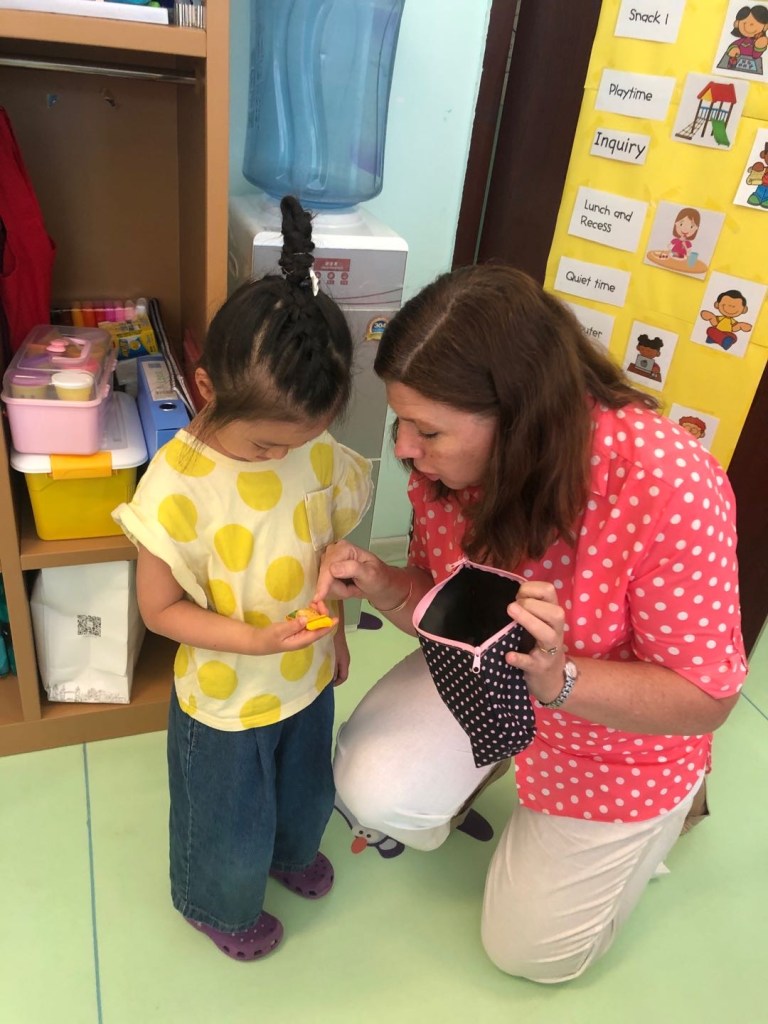
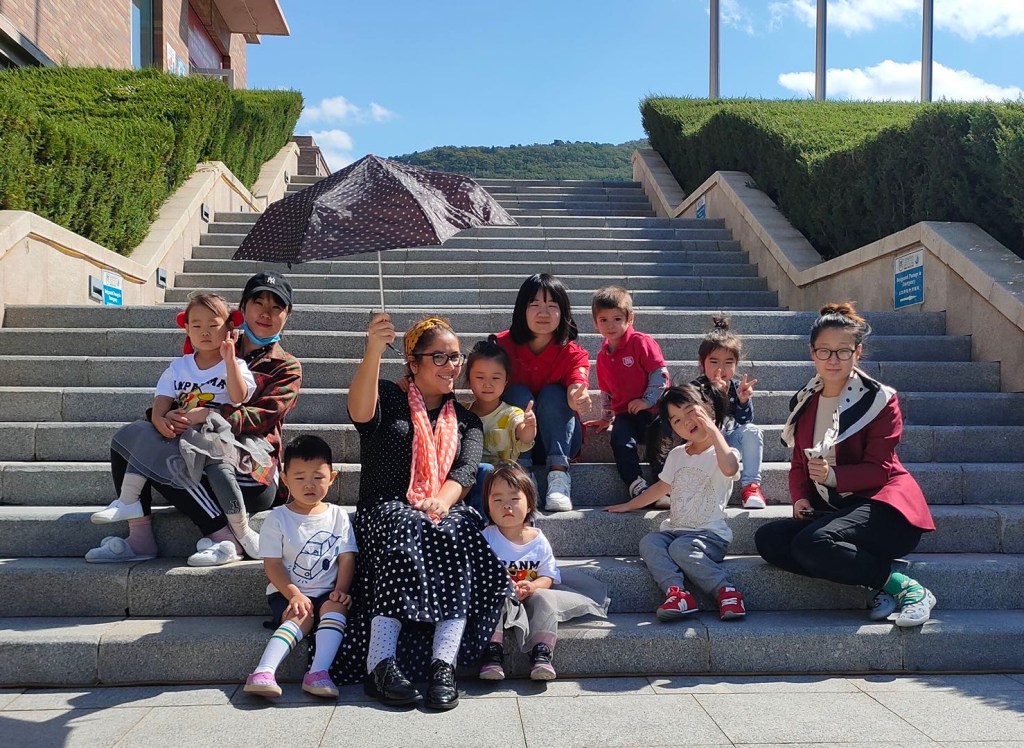
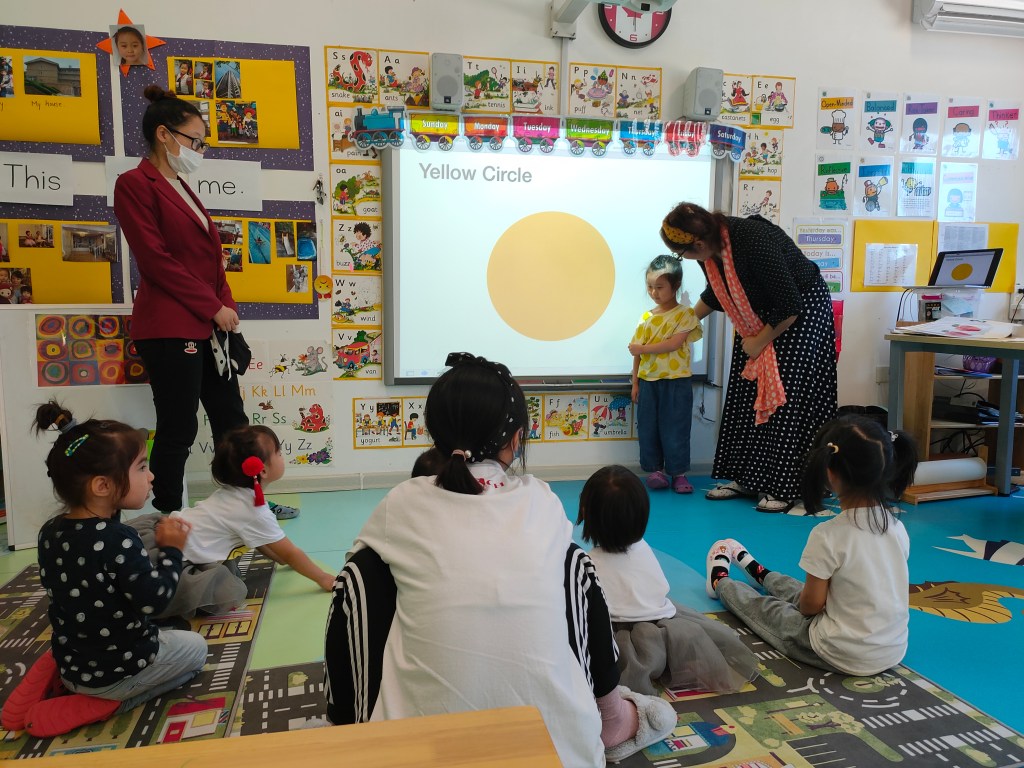
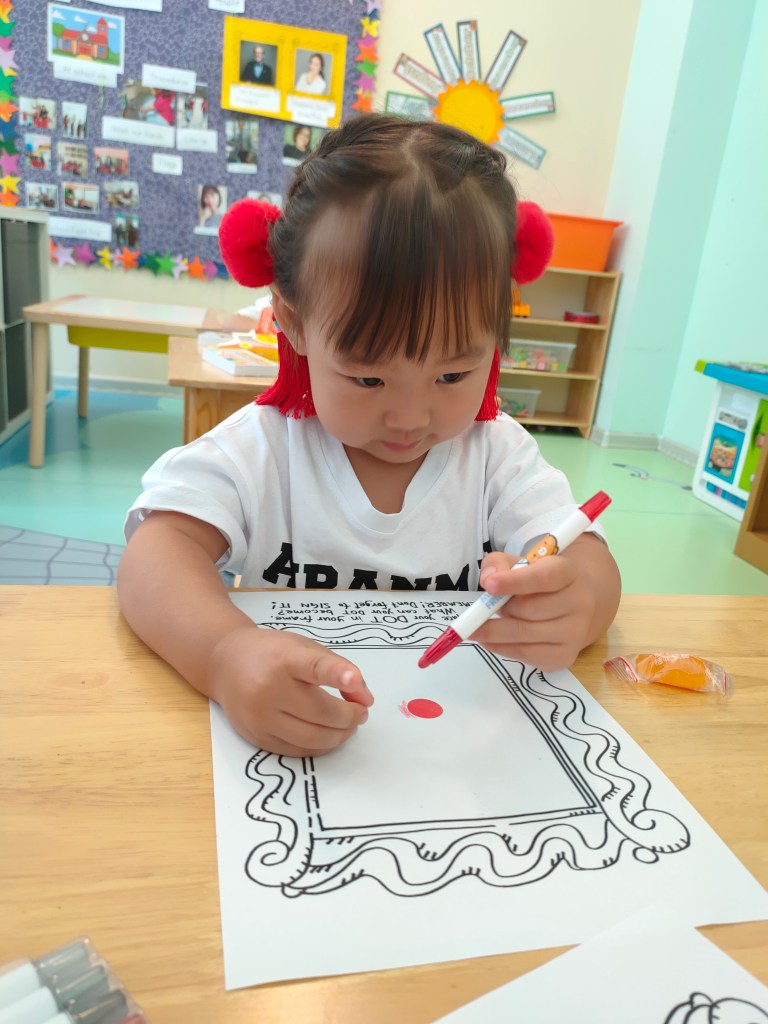
6. September 15th is the International dot day! A different and fun way to work the circle!!! We all were wearing a clothe with dots. We made a thinking routine that reinforced the creativity and we had to imagine what could be a red circle, a green circle, a blue circle, an orange circle, a yellow circle,… Here you can see Nanami showing us her t-shirt with yellow dots and a big yellow circle on the board. Can you imagine what was at the end? Yes! The sun!!! We also read the “The Dot” by H. Reynolds. And we finish with an art activity of Cassie Stephenz about the book we read, you can see Elsa in the picture doing the activity. My friend, Ms. K, came to the classroom with a dot shirt to give us candies that were in her dot bag, I have to tell you: we had a lot of fun! Thank you Ms. K!
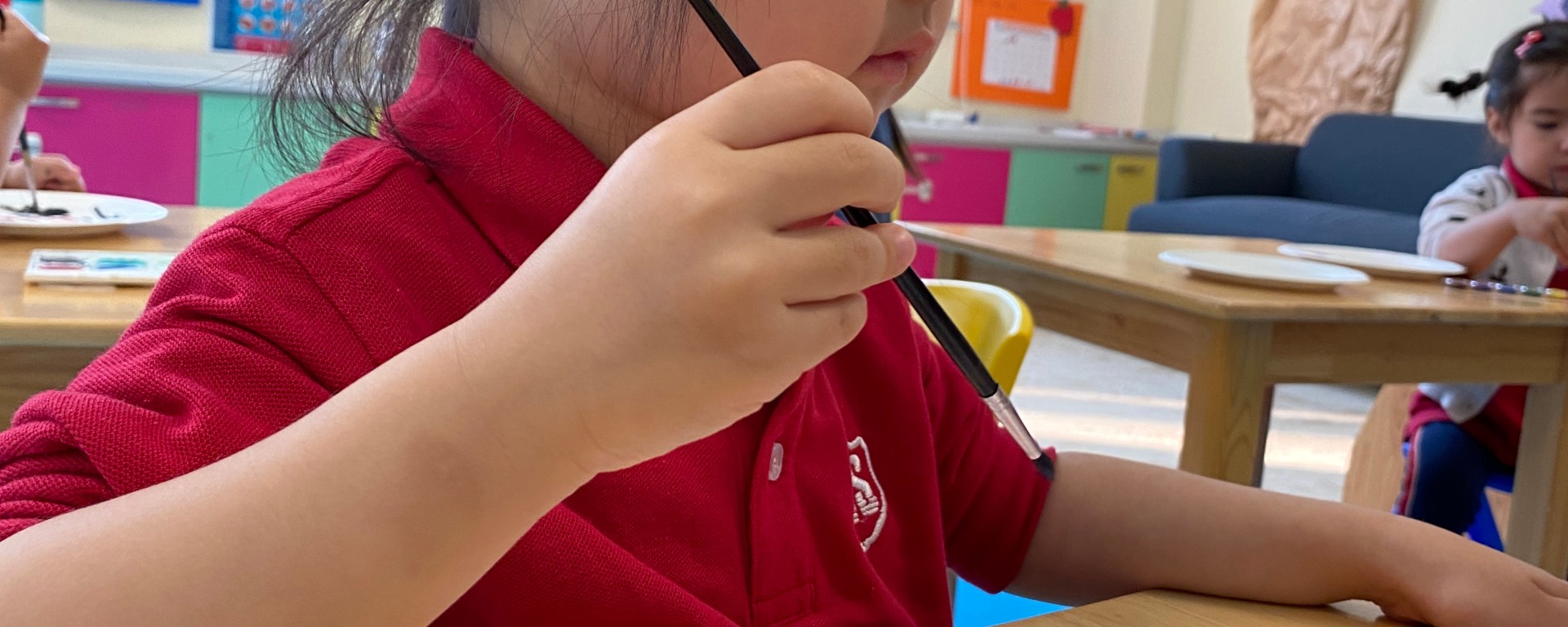
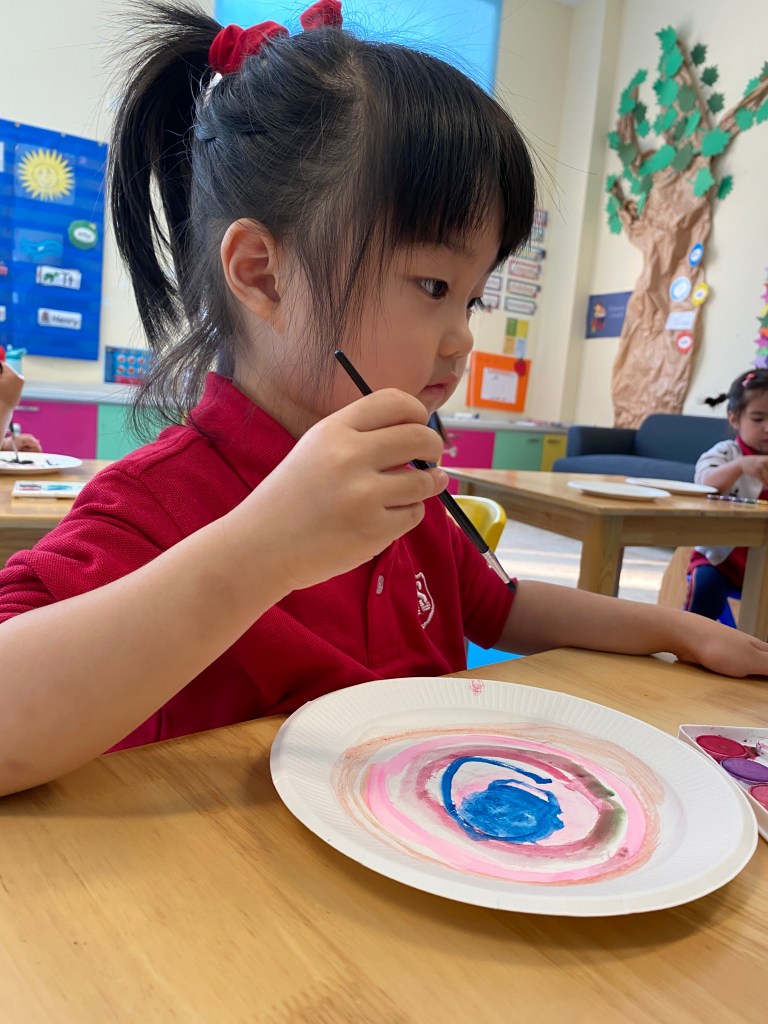
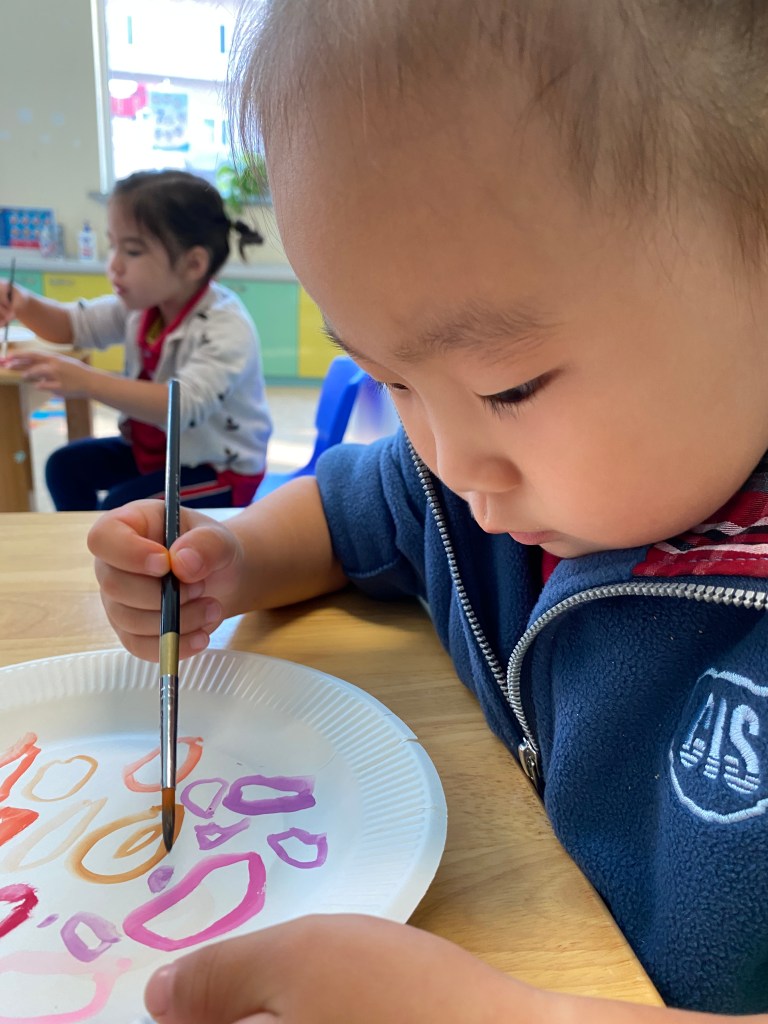
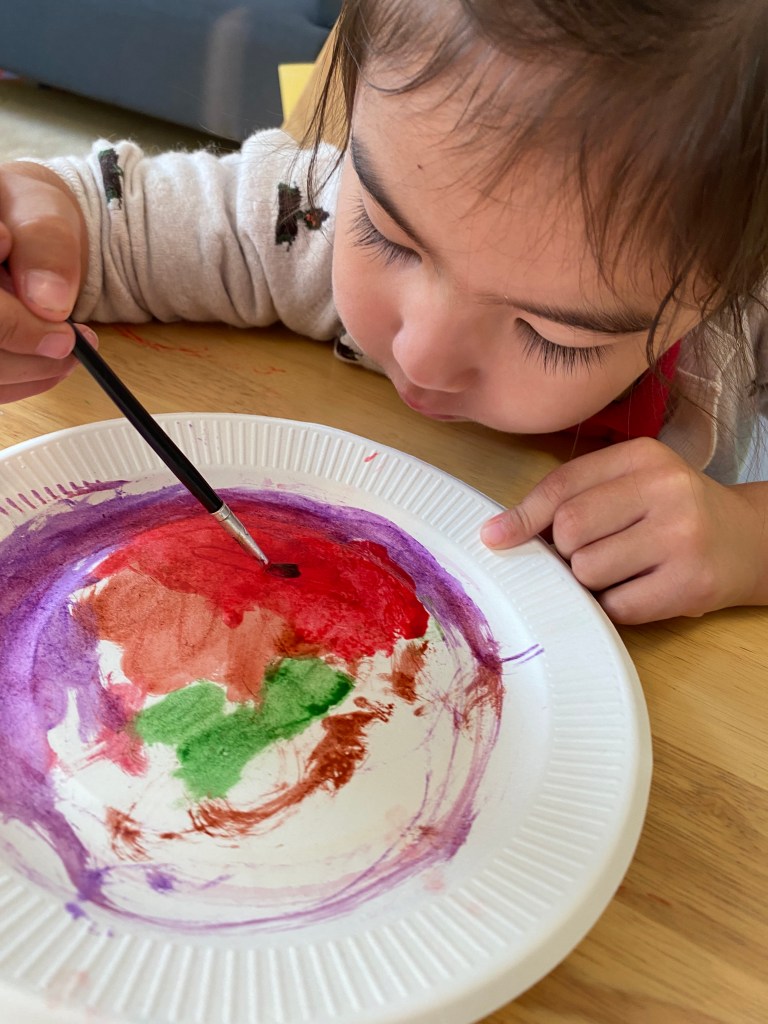
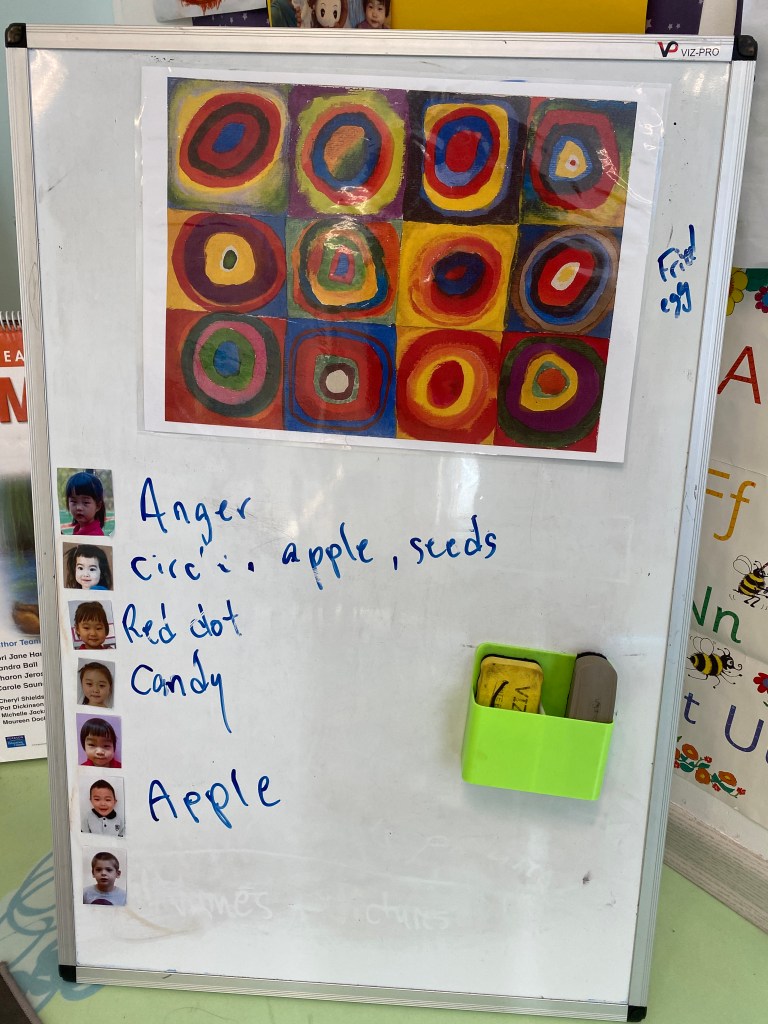
7. In Art we worked with “Squares with Concentric Circles” (1913) by the surrealist artist, Kandinsky. After displaying the picture for a few days we did a thinking routine adapted to the children’s age: See and Think (Usually See-Think and wonder for bigger kids). We looked close to the picture and after an agreement, we could see circles and we started to think what would they be? I said that they could be a fried egg, Henry said a apple, Lena said seeds, Connie said anger,… a very interesting activity. Then, another day, we painted with water colours our own version, the result was beautiful.
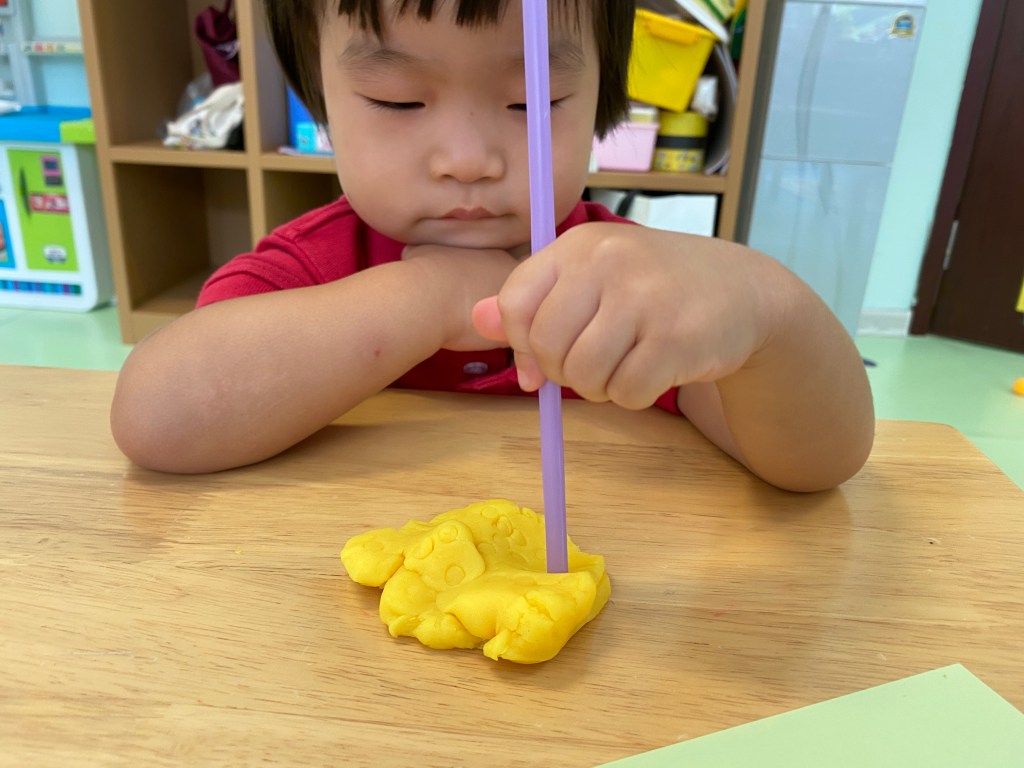
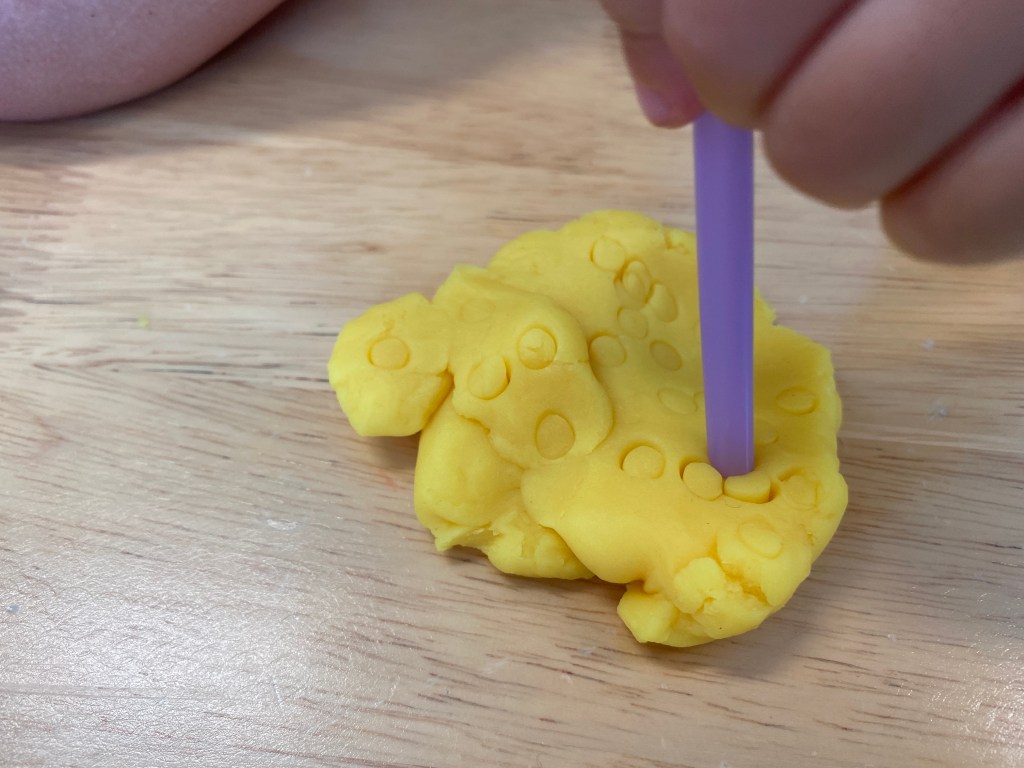
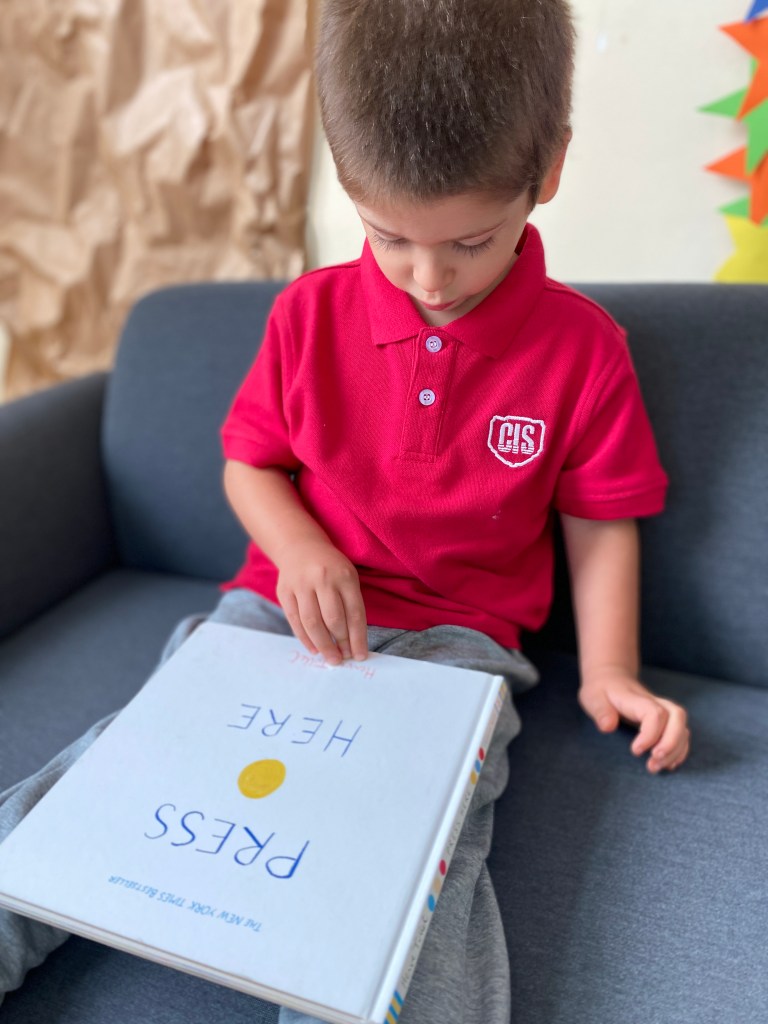
8. We also have some stuff in the classroom where they can see and work the circle: Here Anna is doing circles on the Play Dough, using a straw. This is a nice activity to work fine motor skills. Samuel is “reading” a wonderful book that I love: “Press here” by H. Tullet.
9. He have been listening this song but we only worked on the first part about the circle. Enjoy!
 CISS Kindergarten