
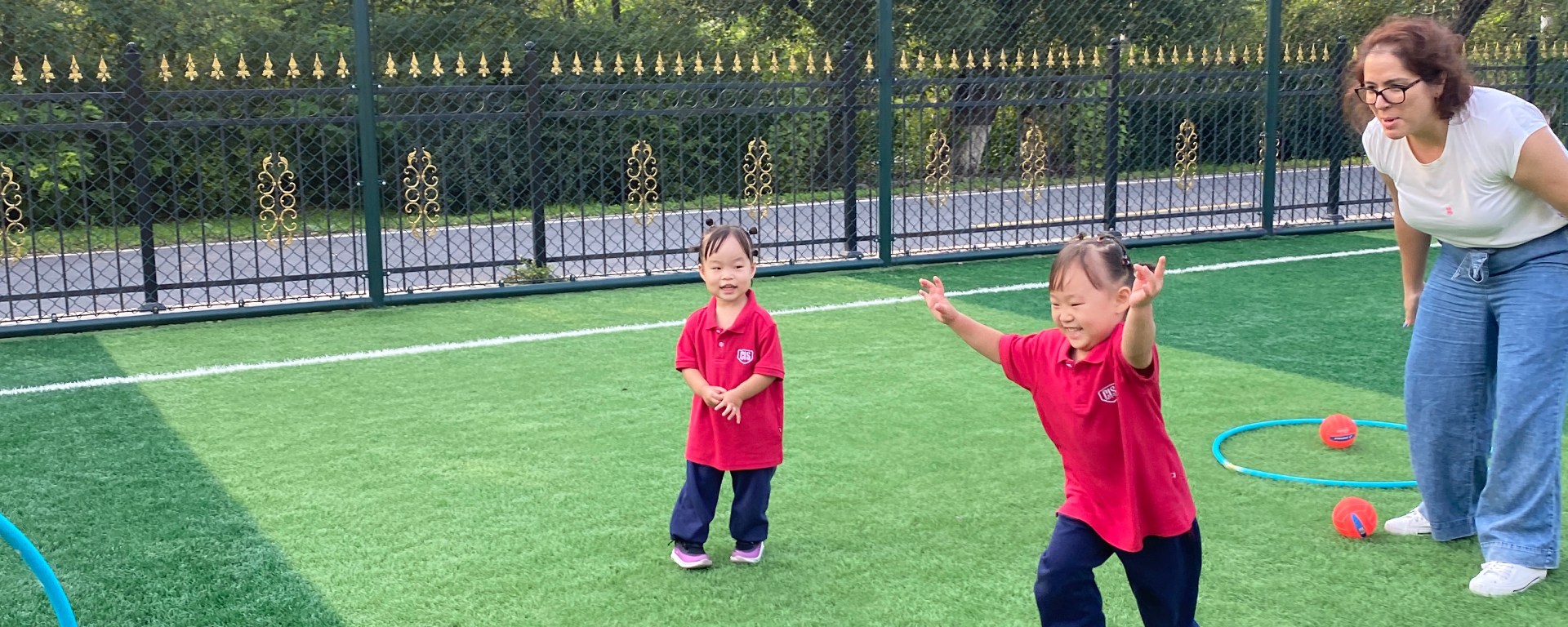
Extra Curricular Activities, also known as ECAs, are a very important part of our school. They are part of what sets CISS apart from other schools. All our teachers offer ECAs that they are passionate about, and the students participate in two ECAs per week. In PYP, the students can choose from soccer, Yoga, Spanish, dancing, painting by numbers, Chinese paper cutting, Chinese knot and more! But for our kindergarteners, we had to think something suitable for their skills and development. So, I’ve decided to curate educational games for kindergarten ECA.
Why Games? Well, this is a golden word that means many kinds of developmental growth for a young child… My main objective offering Games is to work on the students’ motor skills. The children under 6 are learning so many things about themselves and about their bodies in Kindergarten. In fact, they start to build their knowledge from the relationship between what they can perceive (see, hear, touch, taste,…) in their environment and the learning they have with all the things they can sense.
Emotions are very important in the learning process: what they are feeling when they learn can have a huge impact on how they internalize information. For example, if they are observing a bee, and mom or dad suddenly says: “Don’t touch it, it will sting you!”, the baby will feel fear every time they see a bee again. The same can happen when we are talking about the children motor skills. “Don’t play on the floor you’ll get dirty!” “Don’t jump, you might fall down!” Parents always have the best intentions, but we need to be careful not to make children fearful of exploring new things, and testing their own limits.
So what is Psychomotricity? This definition on wikipedia is quite good:“Infants learn best through their bodily actions like playing, jumping, manipulating objects, etc. they manage to position themselves in the world and intuitively acquire the learning necessary to develop in school and in life. In this playful way and almost without realizing it, they work on concepts related to space (up / down, front / back, right / left, …), time (speed, rhythm, duration, …), motor skills necessary for balance, sight , the relationship between other children, etc. with the consequent effects on the best training and emergence of writing, reading and mathematics, essential today for academic success.”Wikipedia
…
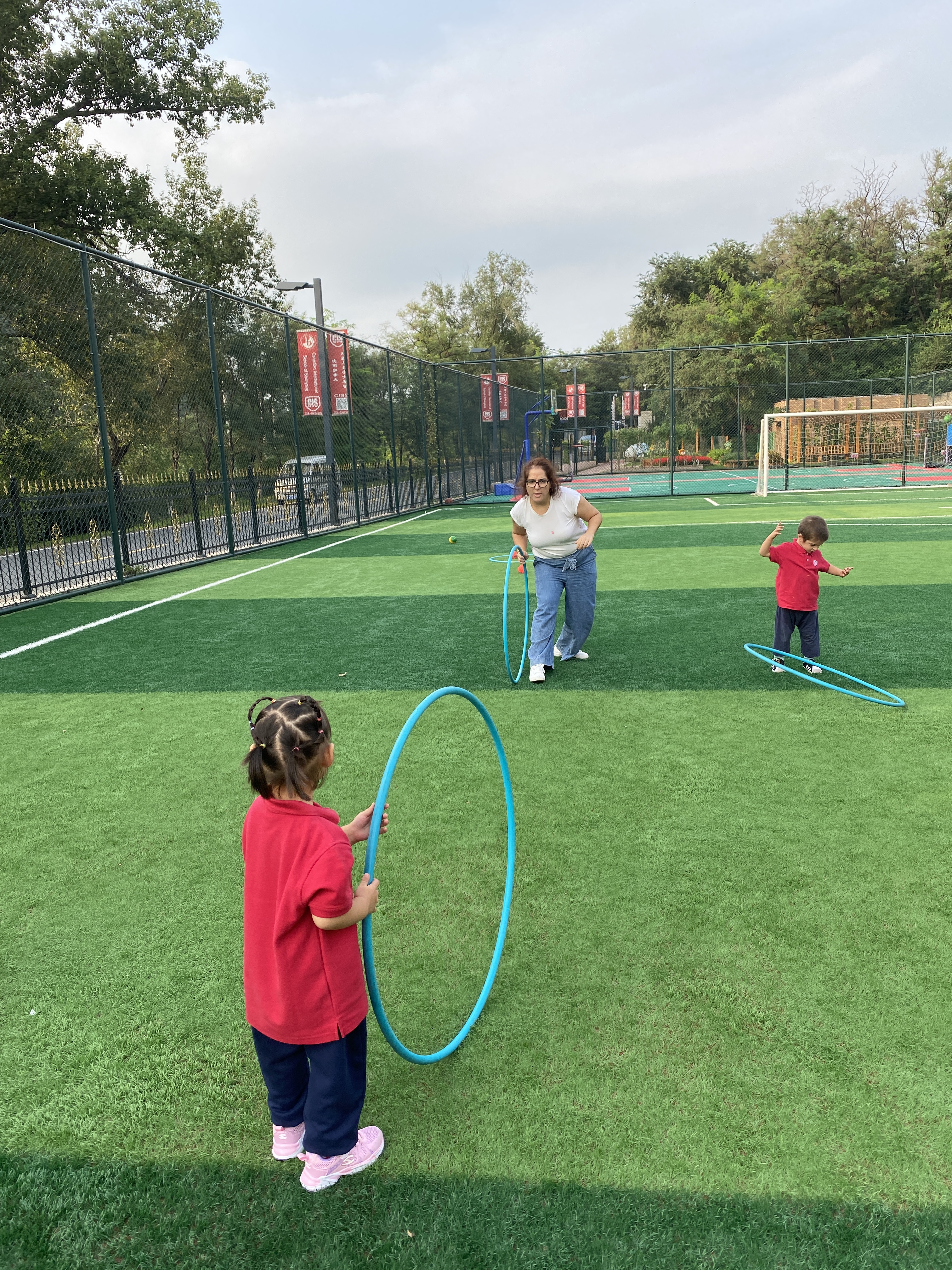
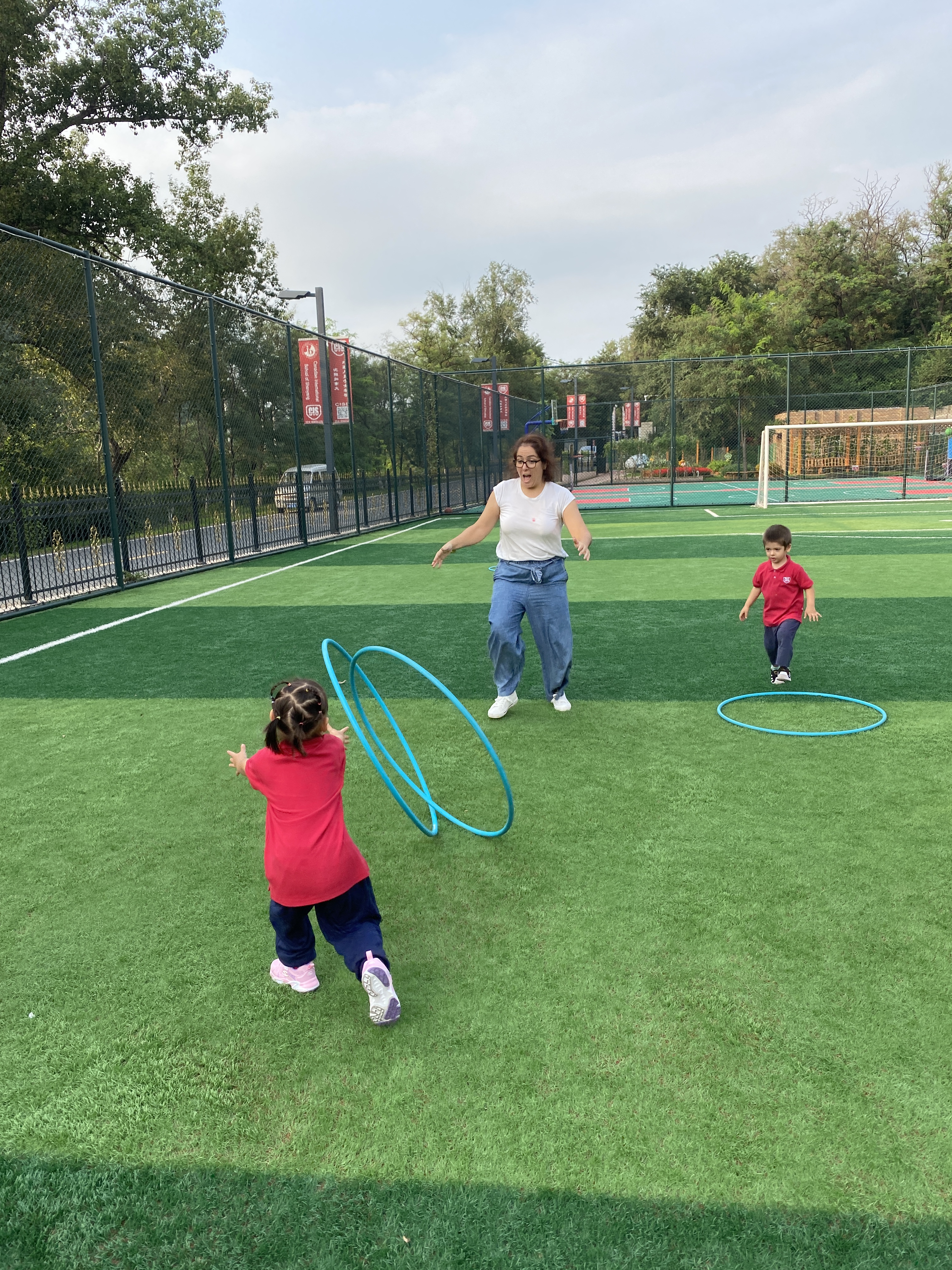
Let me show you an example: Elsa learning how to throw the hula hop. She is having fun, practising balance and strength, practising vocabulary and physics (how far can it go if I use more strength?).
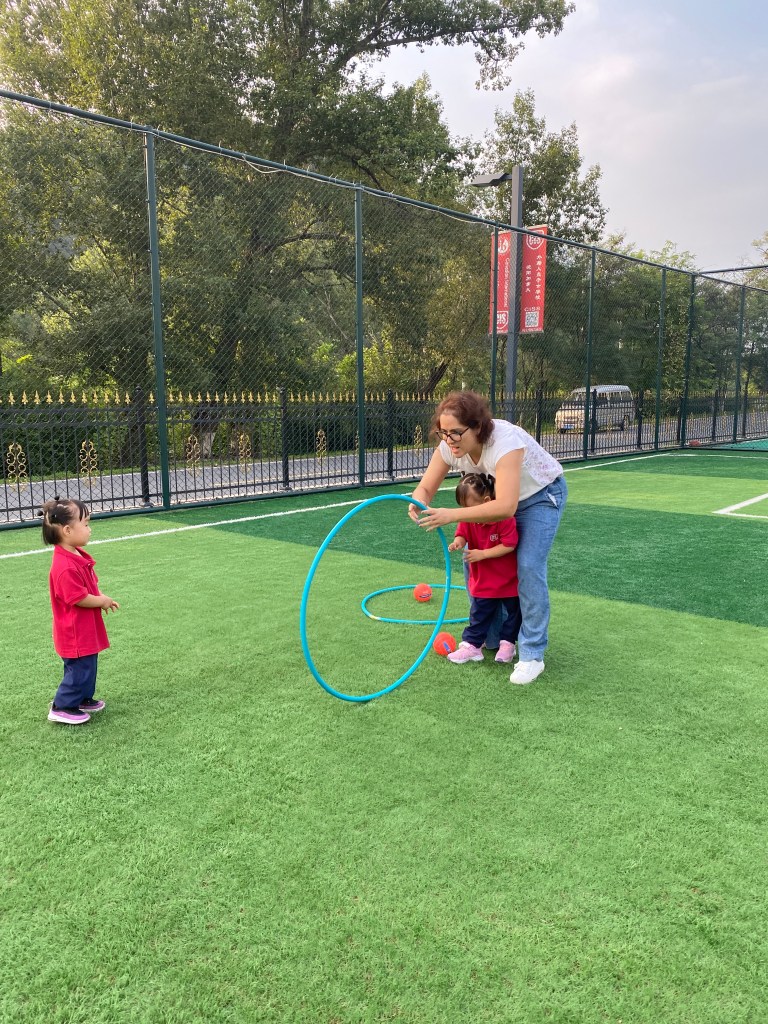
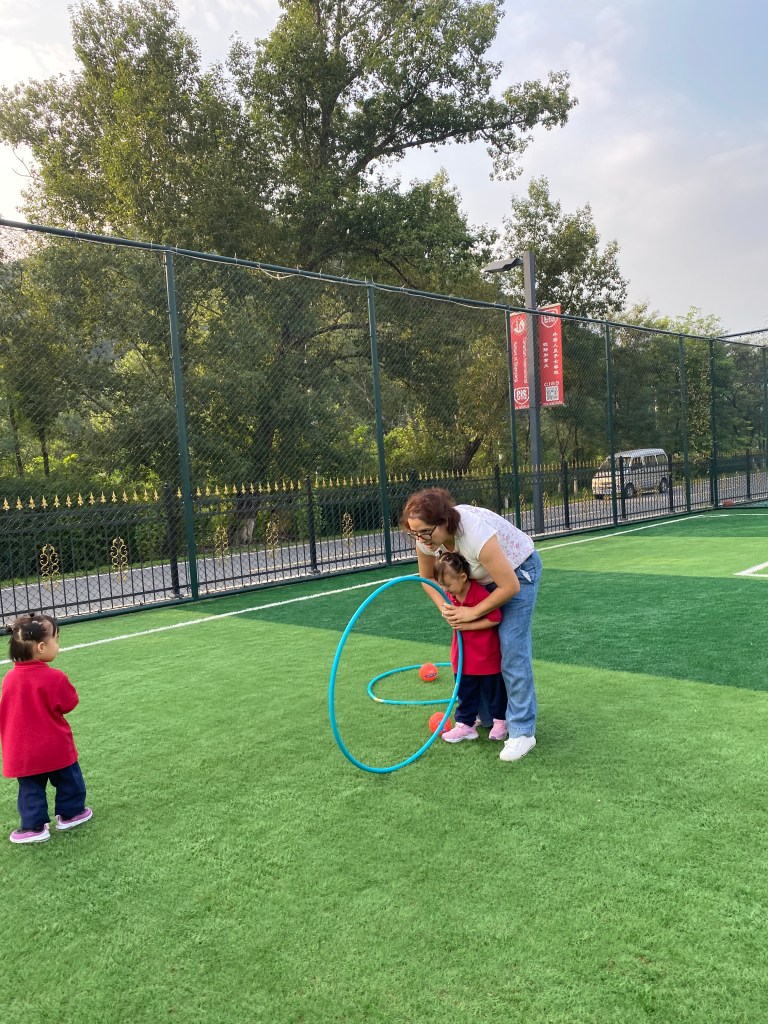
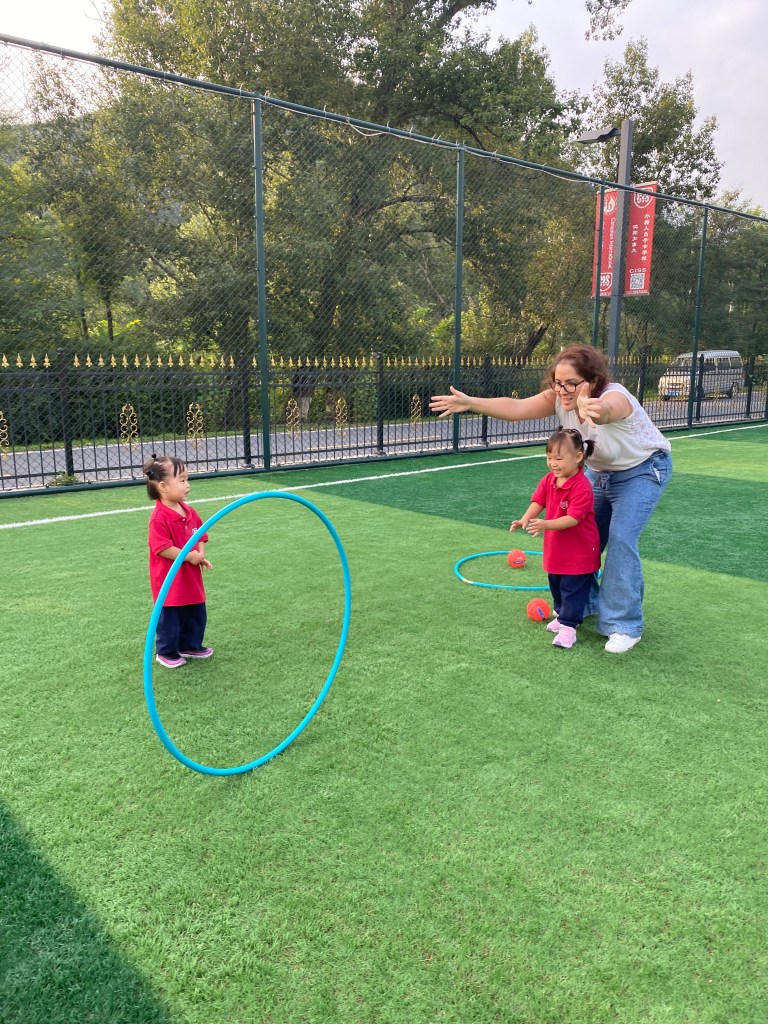
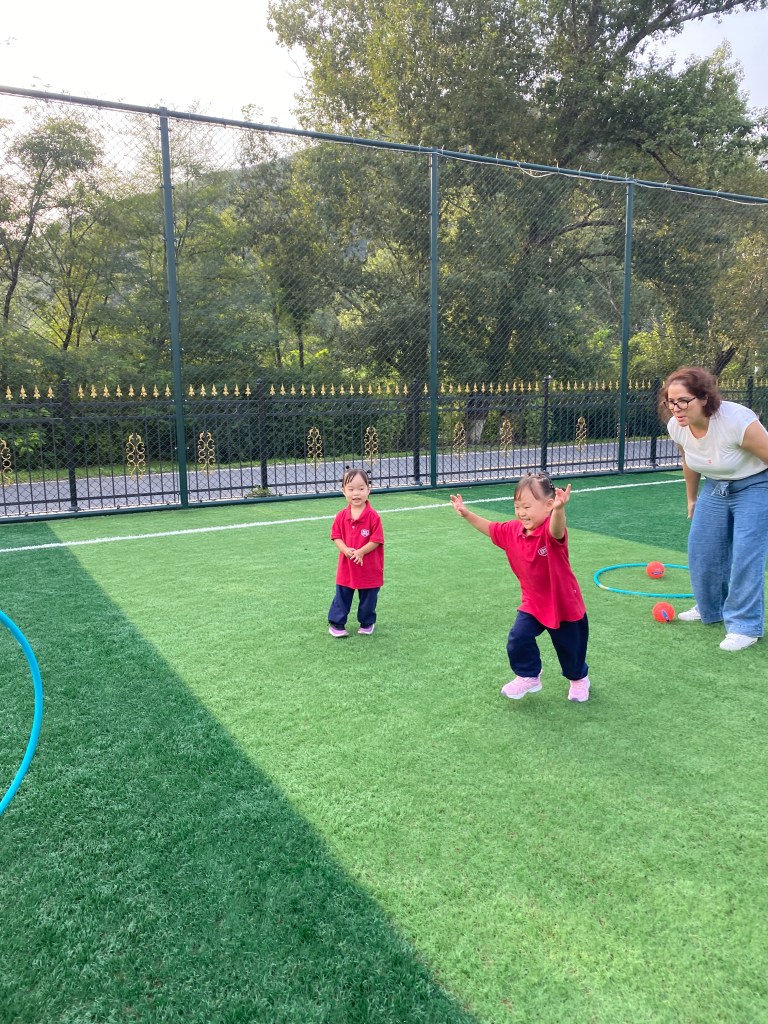
Now let’s try by herself…
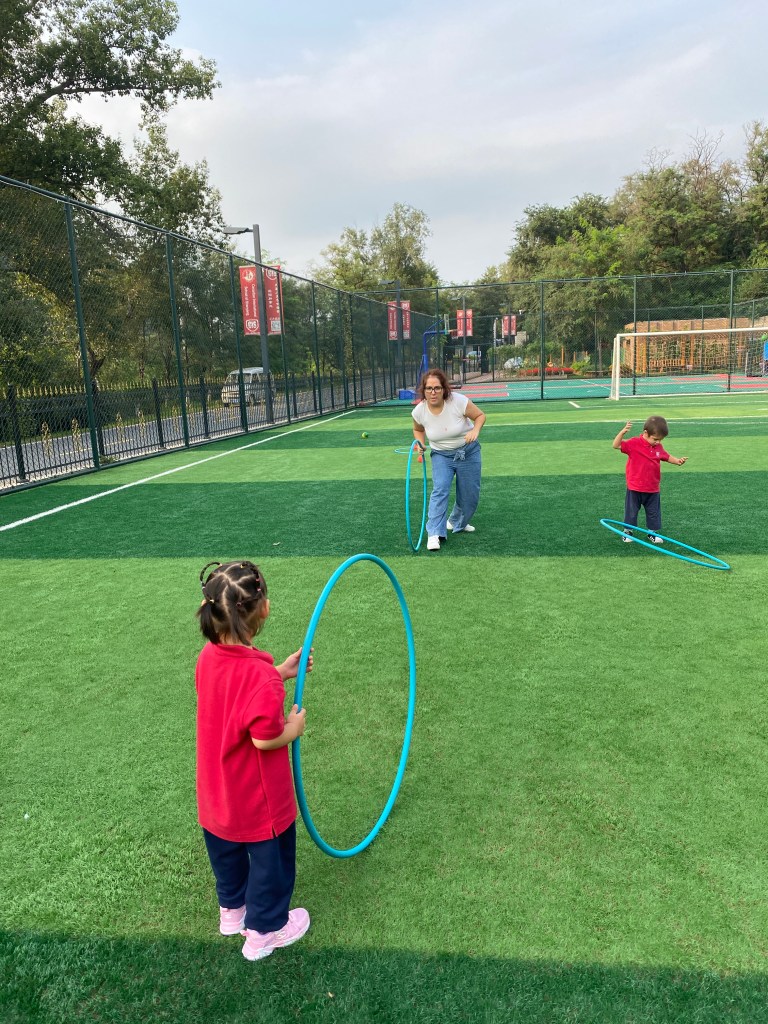
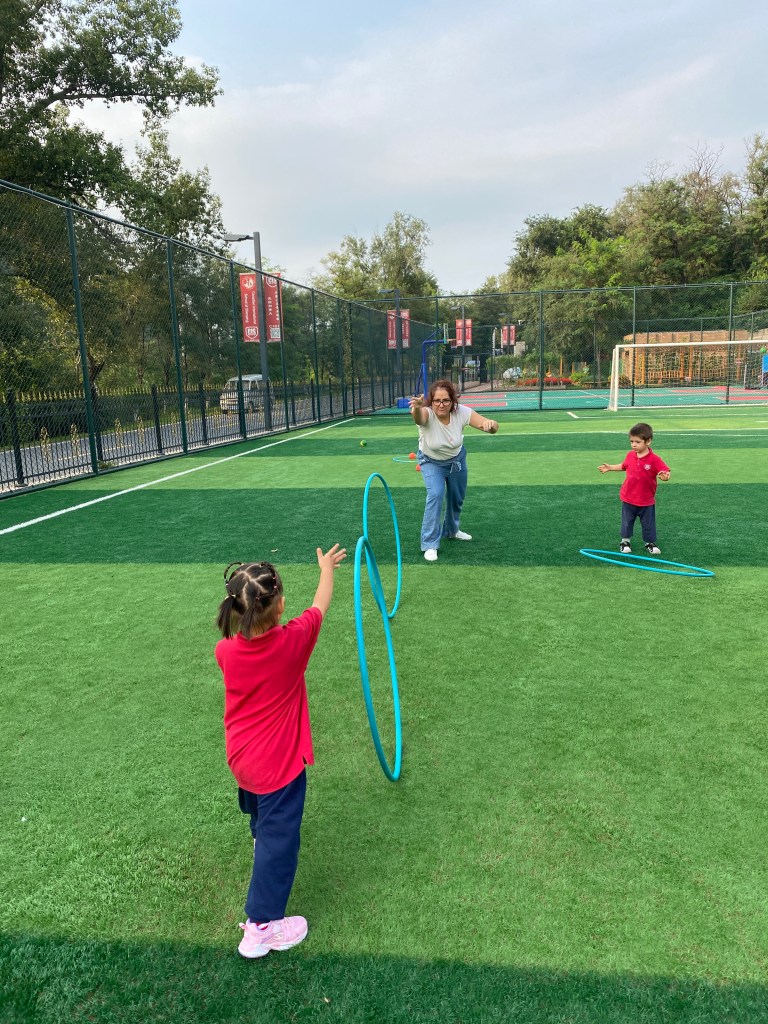
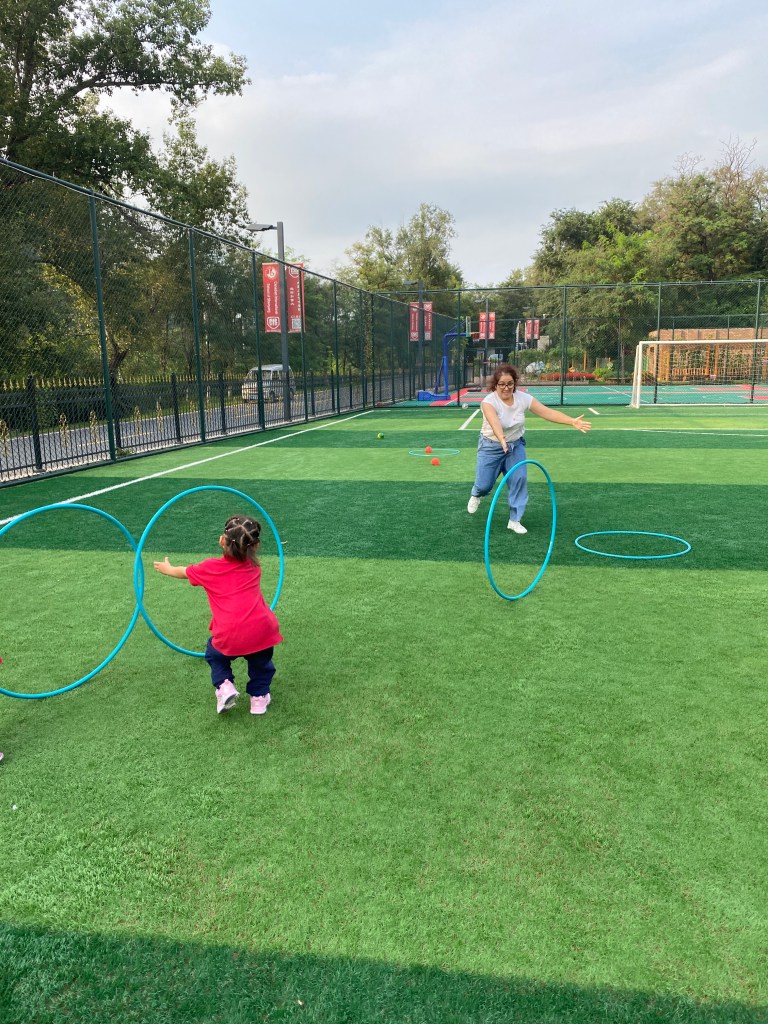
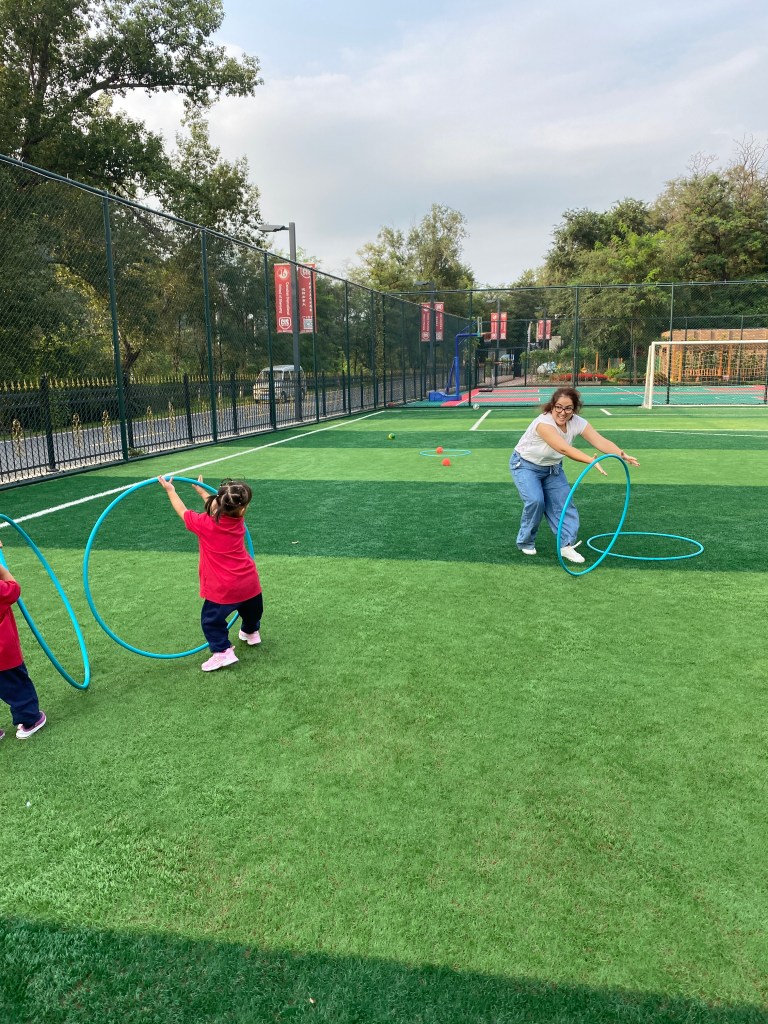
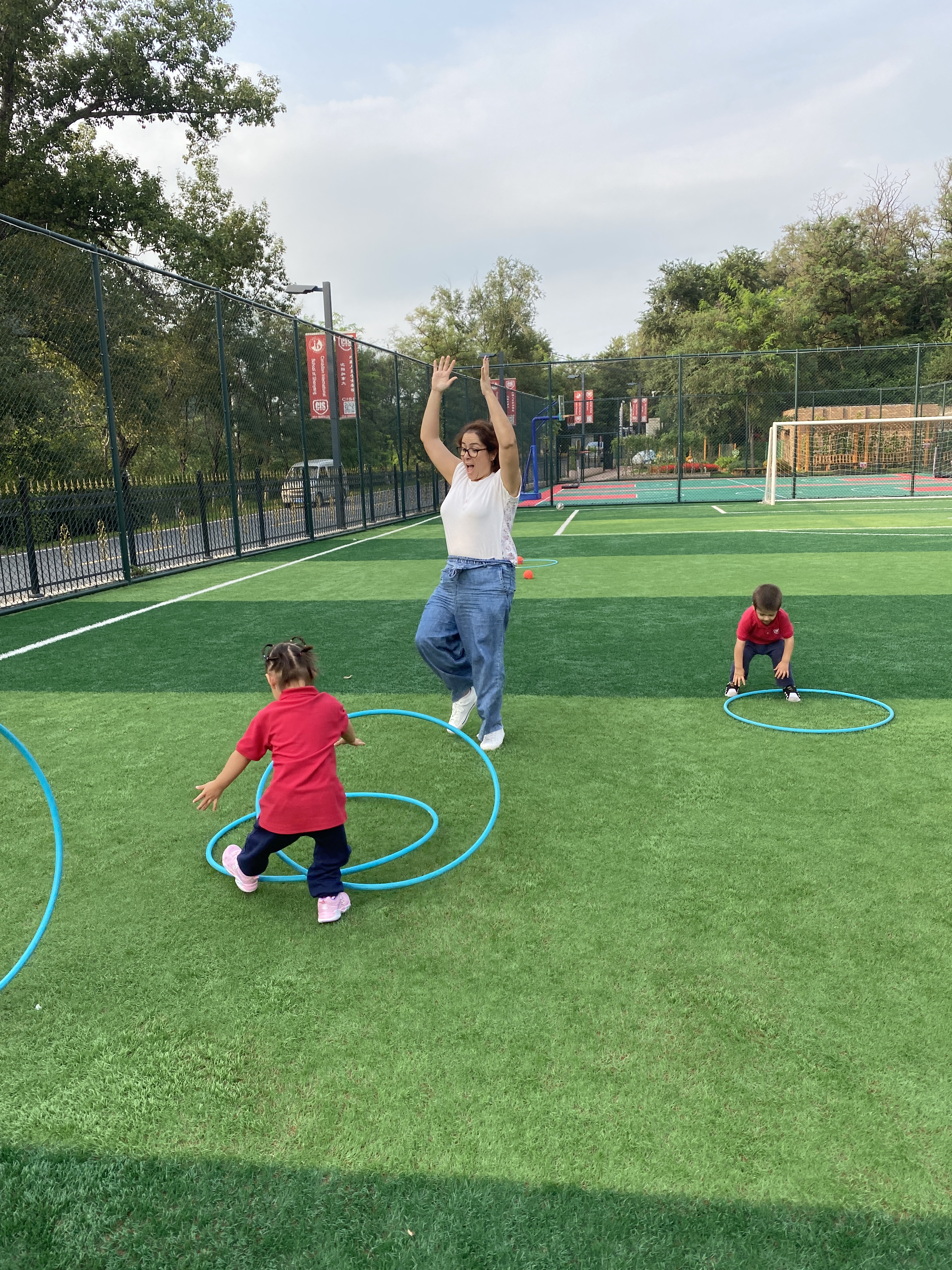
Success!!! But we also can fail and have fun and learn!
 CISS Kindergarten